Understanding Mockups in Dentistry
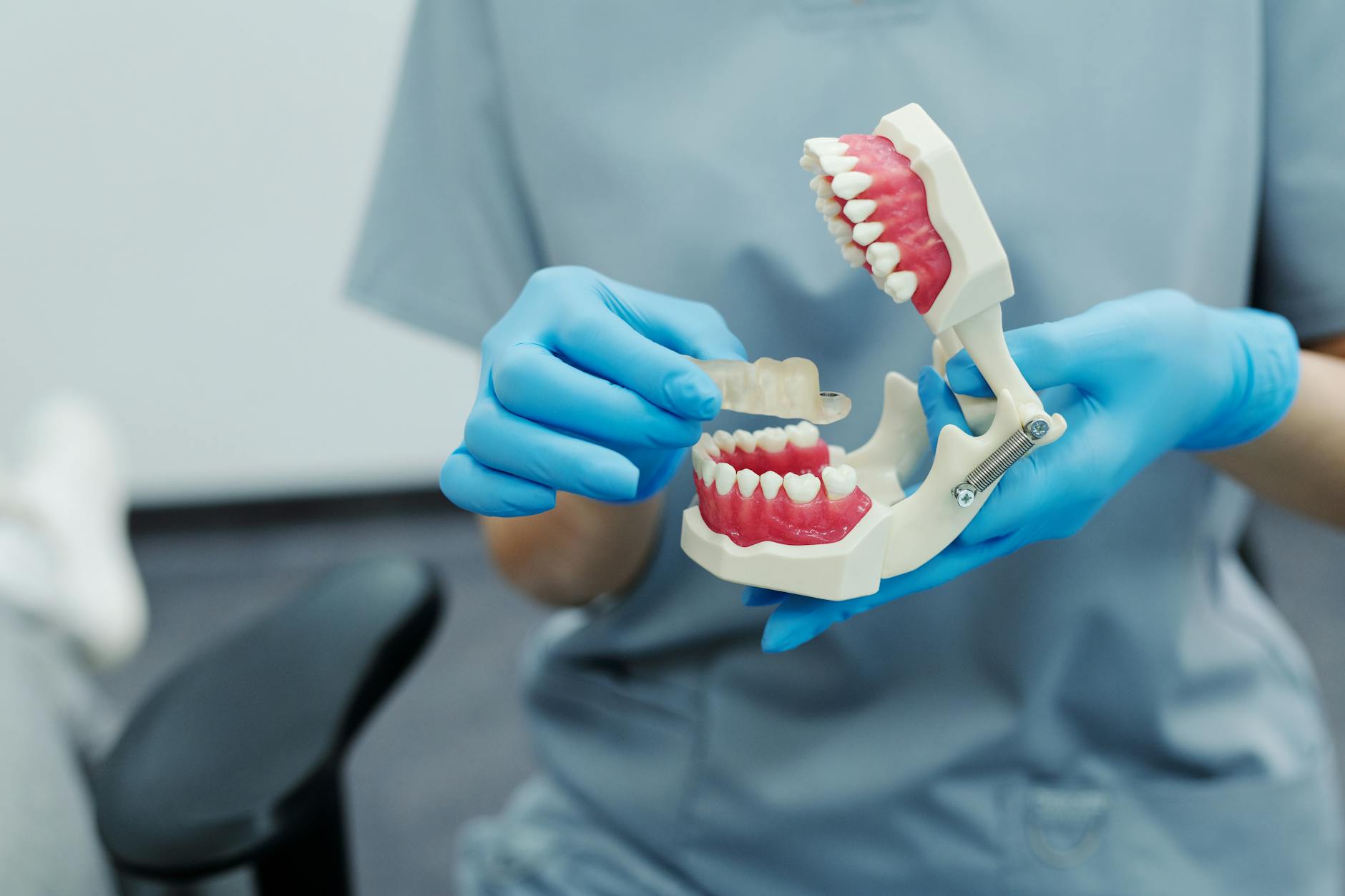
Mockups in dentistry are simple previews of a proposed smile. They can be made on models or placed temporarily on your teeth, so you can see changes before anything permanent happens. Mockups help you and your dentist decide on shape, length, and alignment with low risk.
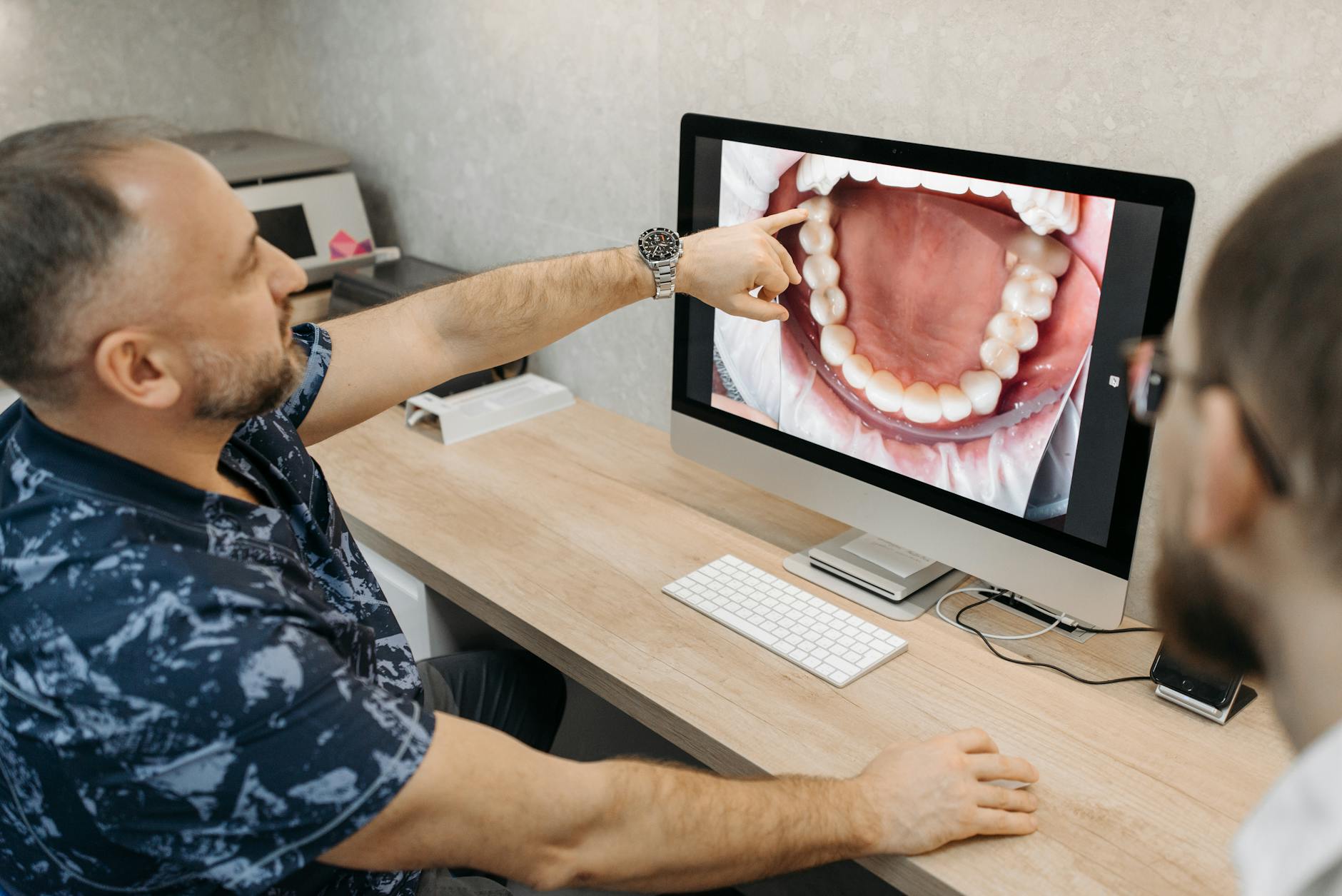
Like trying on shoes before a long walk. We begin with photos, scans, and measurements, then design your ideal shapes on a model or on a computer. In the chair, a guide is filled with temporary resin and set over your teeth to create a quick in the mouth mockup. The material peels off easily, so teeth stay untouched. Once you view it in a mirror, we check more than looks.
We listen for clear speech sounds, assess lip support, and check your bite and cleaning. Small adjustments show how contours change comfort. If the look and feel are right, we copy the design into provisional veneers or crowns you can wear for days or weeks. This is the mockup to provisional smile test drive that reduces surprises and guides conservative shaping of enamel. It also improves communication with the lab and sets measurable goals for the final result. This approach is common when planning for porcelain veneers.
Who benefits from a mockup? People with worn edges, small chips, discoloration, spacing, or mild crowding. Sometimes alignment is refined first with clear aligners, then esthetics are finished with veneers or crowns. If your plan involves full coverage, learn more about treatment with crowns and bridges. In the next section, we will look at how provisionals are tested and refined before the final restorations. A mockup lets you preview changes before they are permanent.
Benefits of Provisional Smiles
Provisional smiles let you “test drive” the look and function of your planned teeth before anything is finalized. You can live with new shapes and bite in daily life, then request precise changes. This lowers surprises, improves communication, and guides conservative final treatment. Many patients call it a mockup to provisional smile test drive.
After the mockup, temporaries are made to match the design, then worn for days or weeks. You can evaluate comfort while eating, how lips rest over the teeth, and any short-term sensitivity. Imagine trying your new tooth shapes for a busy week at work. Because provisional material is adjustable, your dentist can add or remove small amounts chairside to dial in length, contour, and bite contacts. These bonded esthetic prototypes also serve as a cost‑effective medium‑term solution while planning, which helps assess function and appearance in real use [1].
What you and your dentist can learn and fine‑tune during the provisional phase:
- Tooth length, width, and contour that fit your face.
- Midline and symmetry relative to your lips and smile arc.
- Bite contacts during chewing and at rest, including signs of clenching.
- Access for flossing and cleaning to support healthy gums.
- Gingival response and papilla fill, shaped by the provisional contours.
- Shade and surface texture preferences under different lighting.
These findings inform the final restorations and the lab prescription, often reducing adjustment time and the need for remakes. Provisional and mock‑up techniques are established tools for smile design and comprehensive treatment planning [2]. If alignment is part of your plan, a short phase of clear aligner treatment before final restorations can improve both esthetics and enamel preservation.
Provisionals also integrate well with shade planning. If brightness is a goal, you may consider in‑office tooth whitening before final shade selection. A thoughtful provisional phase makes the final result more predictable.
Chairside Mockup Techniques
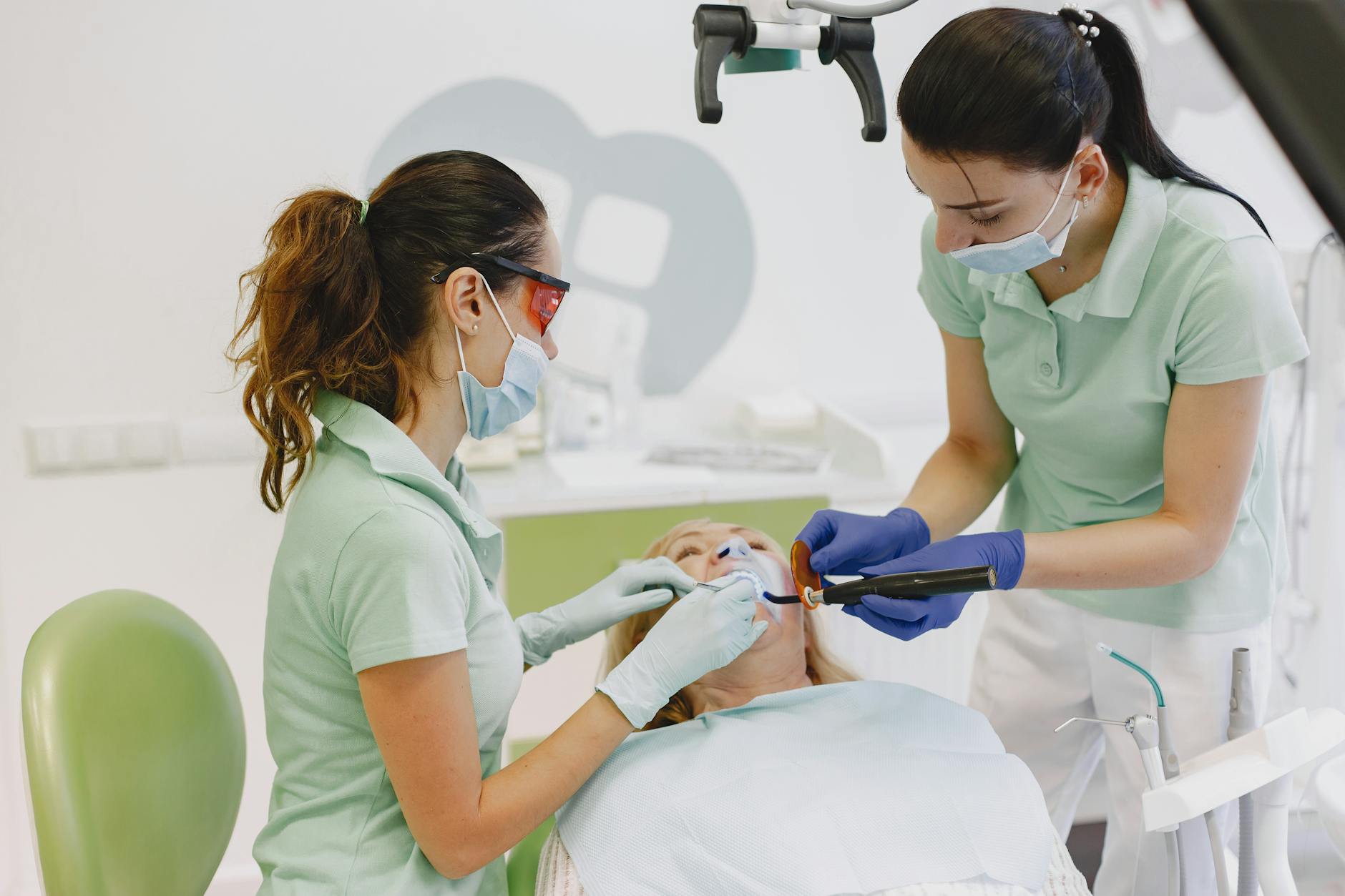
Chairside mockup techniques let you preview planned tooth shapes directly on your teeth in a single visit. Using a thin silicone guide made from a wax-up or digital design, the dentist places a small amount of provisional resin and seats it over your teeth. In minutes, you see length, contours, and the smile line before any permanent work. This quick try-in helps you judge appearance and basic function.
During a lunch break, you test a new incisal edge position. The material sets, then the guide lifts off, leaving a temporary facsimile on the enamel. Because it is not bonded, removal is simple, and cleanup is minimal. The dentist checks speech, lip support, and initial bite contacts, then makes small refinements with flowable resin or a fine bur. Chairside mock-ups provide a non-invasive way to evaluate esthetics and guide planning, often improving communication about tooth proportions and the smile arc [3].
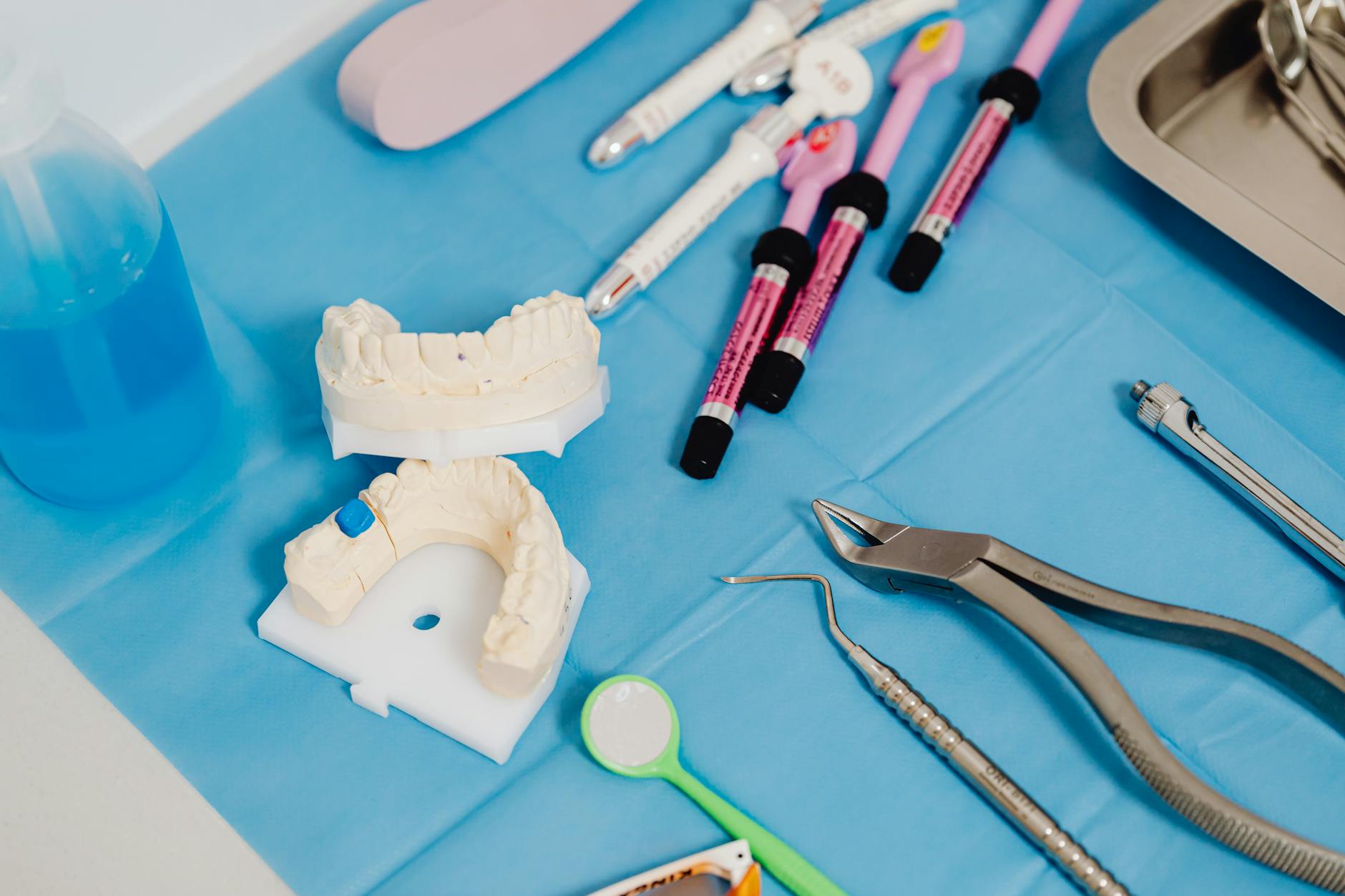
There are variations to suit your goals. A freehand composite mock-up can explore small additions and test symmetry. A putty or clear matrix transferred from a diagnostic wax-up captures precise shapes and can also serve as a template for provisionals. Template or matrix techniques help translate the planned contours to the mouth and support conservative additive approaches [4]. If digital planning is used, a 3D-printed index can offer similar accuracy and repeatability.
What can you expect at the visit? Short appointments, reversible materials, and immediate feedback in the mirror and with speech. Once the look and feel are approved, the same design can be converted into provisional veneers or crowns for a longer trial, the mockup to provisional smile test drive. If only small additions are needed, finishing with conservative dental bonding may meet your goals without more extensive treatment. The aim is clear decisions before any commitment.
How to Test-Drive Your Smile
First, we preview your new tooth shapes right in your mouth with a quick, reversible mockup. If you like the look and basic feel, we convert that design into provisional veneers or crowns that you wear at home. You then live with the changes for days or weeks, give feedback, and we fine-tune before anything permanent is made. This stepwise process reduces guesswork and improves results.
Picture this: you try a new front-tooth length during a morning meeting. At the chairside mockup visit, we check speech sounds, lip support, and your smile line while you speak and smile. The material peels off easily, so teeth remain unaltered. Because the trial is reversible, you can judge esthetics and comfort without committing to treatment [3]. If the preview needs tweaks, we adjust length or contour in small steps until the design matches your goals.
Next comes the longer trial with bonded provisionals, which copy the approved mockup. You wear them in real life, then tell us how chewing feels, whether floss glides easily, and how your gums respond. We can add or subtract tiny amounts, refine bite contacts, and reshape edges chairside. These functional esthetic prototypes let us test appearance and function in daily use, often for several weeks, before final restorations are prescribed [1]. During this phase, short videos of speech, notes on tenderness, and photos in different light help guide precise adjustments.
Your timeline usually follows a simple rhythm. Visit one gathers records and goals. Visit two delivers the mockup and first feedback. Visit three fits provisionals, then a follow-up visit refines details and confirms bite and shade under normal conditions. When you are happy, we capture the design and send a clear prescription to the lab for the final work. This is the mockup to provisional smile test drive in practice. If scheduling is a concern, check our current hours. Thoughtful testing now saves adjustments later.
Esthetic Considerations in Smile Design
Esthetic smile design balances your face, lips, gums, and teeth so they look natural together. We consider how much tooth shows at rest, the smile line, gum levels, and symmetry. Shape, color, and surface texture are chosen to fit your features and age. The goal is a healthy, believable smile that suits you.
In photos, your front teeth look short when you smile. Incisal edge position is set first, using your lip at rest, then refined with simple speech tests for “F” and “V” sounds. A smile arc that follows the curve of your lower lip often looks youthful, while overly flat edges can appear worn. Fullness in the corners of the smile depends on arch width and tooth position; too much darkness can make the smile look narrow. These checks guide additive changes before any enamel is shaped.
Gums frame the smile, so “pink esthetics” matter. Even, healthy gum margins and filled papillae help teeth look balanced and well supported. The contours where restorations meet the gum should be smooth to allow easy cleaning and calm tissues. If multiple teeth are treated, we sequence small changes to protect the gum line and keep proportions consistent. When anxiety makes long visits difficult, thoughtful timing and comfort options, such as oral sedation for dental treatment, can help you stay relaxed while details are refined.
Shade is more than brightness. We look at hue, value, and translucency next to skin tone and the whites of the eyes. Subtle surface texture breaks up light and prevents an artificial shine. Function also shapes esthetics, since bite contacts and wear patterns affect chip risk and edge length over time. For patients replacing many missing teeth, planning lip support and smile width is part of esthetics with options like snap-in implant dentures for full-arch cases. We verify all these choices with a mockup to provisional smile test drive, so your final result matches daily life. Thoughtful planning leads to natural, lasting smiles.
Phonetics and Speech Assessment
Phonetics and speech assessment checks how your new tooth shapes affect the sounds you make. We listen to common sounds while preview teeth are in place, then adjust contours so speech stays clear. The goal is simple: your smile should look good and sound natural.
On a video call, you notice a faint whistle on “S.” Teeth, lips, and tongue work together to form sounds, so small shape changes can help or hurt clarity. We test “F” and “V” to set front‑tooth length against the wet‑dry line of the lower lip. We use “S,” “Z,” and “Sh” to judge the closest speaking space, the tiny gap between upper and lower front teeth during speech. Counting “55–66,” reading a short phrase, and casual conversation reveal real‑world performance.
If “F” or “V” hits the lip too hard, the edges are long and need slight shortening. If “S” whistles, there may be too much space or a midline gap; if it lisps, the space may be too tight or the palatal surfaces too thick. We also check the curve and thickness behind the upper front teeth, since that guides the tongue during “T,” “D,” and “N.” For patients replacing many teeth, early speech checks are vital, because lip support and palatal contours change with full‑arch treatment such as All‑on‑4 implant dentures for complete arches. These details are refined in small, reversible steps.
We record short clips, note tricky words, and adjust one variable at a time. Minor additions or reductions to edges, embrasures, or palatal contours often solve issues within minutes. We repeat these tests during the mockup to provisional smile test drive, so your final restorations inherit speech settings that already work in daily life. Next, we bring these same checks into chewing and bite assessments to confirm comfort under load. Clear speech and comfortable function should move forward together.
Adjusting Your Provisional Smile
We adjust your provisional smile by carefully refining shape, length, and bite until it feels natural. You share how it looks and functions at home, then we make small, reversible changes in the chair. The goal is simple: comfortable chewing, clear speech, easy cleaning, and a look you love. This is part of the mockup to provisional smile test drive.
Real‑world example: after a week, you notice a faint click on the right. We mark your bite with thin paper, then smooth any high spots so contacts are even. Front teeth are checked for light contacts at rest, with stronger contacts on the back teeth for chewing. If a tooth feels tender or you avoid one side, we rebalance the contacts until both sides share the load. Small additions with flowable material can also restore support where it is missing.
Gums guide many adjustments. If floss snags, we polish the edges and open the embrasure slightly so floss glides and papillae can fill the space. When gum tissues look puffy, we refine the contour at the margin, called the emergence profile, to reduce pressure and allow easier cleaning. Lip support and symmetry are tuned by tiny changes to length or midline, then we recheck speech for “F,” “V,” and “S” sounds. Each change is tested in the mirror and while talking.
Surface texture and brightness are also adjusted so the smile looks natural in different light. We smooth sharp edges, add microtexture to break up reflections, and confirm shade preferences under daylight and indoor light. If you feel temperature sensitivity, we check the bite again and seal exposed areas on the provisional. Between visits, provisionals are repaired or strengthened as needed so they hold their shape while you test them in daily life.
Finally, we capture the approved design with photos, scans, and bite records, then write a clear lab prescription. Your feedback and these measurements guide the final restorations, which should need fewer chairside adjustments. Next, we carry these same checks into chewing and nighttime habits to confirm comfort under load. Thoughtful tweaks now make the final result predictable.
Real-Life Examples of Smile Test Drives
Smile test drives let you try planned changes in daily life before anything is permanent. You wear mockups or provisionals, then give feedback on look, speech, comfort, and cleaning. Based on what you notice, we refine details until the design works for you. These short trials turn ideas into clear decisions.
Before a wedding, a small gap is closed for a week to check speech. The provisional adds gentle width to the two front teeth, so “S” sounds and lip movement can be tested at work and in conversation. If a whistle appears, we adjust the edges and embrasures until speech is crisp. Flossing confirms that contacts are smooth and easy to clean, then the approved shape is copied for the final.
A patient with worn edges tries slightly longer front teeth. The mockup sets the new incisal edge so the smile arc follows the lower lip. In provisionals, we confirm light contacts on front teeth at rest and stronger contacts on molars for chewing. If a corner chips or a click appears on one side, we rebalance the bite and soften the sharp area. A simple night guard plan can be built around the successful design.
When a lateral incisor is missing, a provisional bridge tests lip support and symmetry. We add a realistic tooth shape and contour the gum-facing side so speech and cleaning stay easy. Videos of “F,” “V,” and “S” help verify comfort. If both feel and tissue response are good after a few weeks, those contours guide the lab whether the final is an implant crown or a fixed bridge.
For a gummy smile, provisionals lengthen select teeth to preview a smoother gum line. We watch how the gums settle around the new emergence profiles and confirm that brushing and flossing stay comfortable. If the look holds under different lighting and the tissues stay calm, we record the exact shapes and bite contacts for the final work. This is the mockup to provisional smile test drive in everyday terms, turning trial moments into a confident plan. Thoughtful testing makes the final appointment predictable.
Patient Experiences with Test-Driving Smiles
Patients describe test-driving smiles as clear, low-stress, and useful. You see and feel planned changes before anything is permanent, then request tweaks. Most people finish the trial with more confidence and fewer surprises. Real-world example: before a job interview, you try slightly longer front teeth for one week.
Day one often brings a new feel to edges and speech, which settles as your lips and tongue adapt. Chewing usually feels normal within a few meals, and floss should glide if contacts are shaped well. If something clicks or feels sharp, we mark the bite and smooth the area. For missing teeth, a temporary tooth or a small removable piece can test lip support and symmetry while you judge speech and cleaning, similar to a short trial with a well-shaped partial denture for gaps. These small trials help you decide what looks and functions best.
Feedback is simple and practical. Short phone videos of “F,” “V,” and “S,” notes on tender spots, and photos in different light guide precise adjustments. We add or reduce tiny amounts, refine edges, and rebalance contacts until talking and chewing feel natural. Many patients say the process turns a vague goal into specific shapes they like. This is the mockup to provisional smile test drive in everyday terms.
Comfort during the process matters. Mild sensitivity or gum puffiness usually improves as contours are polished and pressure points are relieved. If a provisional chips, we repair it and review the bite so it holds up in daily use. For those with strong anxiety or long visits, carefully planned appointments and, when appropriate, options like deep sedation for complex sessions can make testing more comfortable. The goal is a smile that looks right, speaks clearly, and works in your routine. Thoughtful trials lead to confident decisions.
Preparing for Your Smile Consultation
Preparing well helps your smile consultation run smoothly and keeps the plan clear. Expect a calm conversation about your goals, followed by photos, scans, and a bite check. We review your dental and medical history, then outline options, timelines, and the steps to preview changes before anything permanent.
Bring your priorities first. A few photos of smiles you like, and one of your own at rest, help set direction. Note any words that whistle, foods you avoid, or teeth that feel sensitive. Real-world example: you bring two smile photos and a short list of “S” words that sound off. If you wear a night guard or retainer, bring it. A current medication list and any recent dental x-rays add useful context. Arrive with clean teeth and neutral lip color so photos capture natural tooth and gum tones. If you plan to whiten later, we will time that so shade choices remain accurate.
At the visit, we start with records that guide design. Extraoral and intraoral photos, digital scans, and a simple bite analysis show tooth position, gum health, and wear patterns. We discuss risks like clenching, acid erosion, or crowded areas that affect cleaning, then match solutions to your goals. Often, we preview shapes directly on your teeth with a reversible mockup. If the look and basic feel fit, we can convert that design into short-term provisionals you can wear at home, the mockup to provisional smile test drive. This stepwise approach lets you evaluate appearance, speech, and chewing in daily life before final work is made.
How should you think about success? Focus on three checkpoints: how it looks, how it sounds, and how it chews. During and after the consultation, share what matters most, such as a softer edge shape or a wider smile line. Your notes, our records, and a careful preview combine to form a plan that is specific and conservative. In the next sections, you will see how those mockups become provisionals, how we fine-tune details, and how final restorations follow a design that already works in real life. Good preparation makes each next step easier.
Frequently Asked Questions
Here are quick answers to common questions people have about Test-Driving Your New Smile in Glendale, AZ.
- What are dental mockups and how do they help?
Dental mockups are temporary representations of your planned smile that can be placed directly on your teeth. They help visualize how changes like different tooth shapes, lengths, or alignments will look in your mouth before making any permanent alterations. This process allows both you and the dentist to make informed decisions without risks and ensures that the final results meet your aesthetic and functional expectations. Additionally, mockups serve as a communication tool between you, your dentist, and the dental lab, guiding the creation of provisional or final restorations.
- How does a provisional smile test drive benefit patients?
A provisional smile test drive allows you to experience proposed changes in real life before they are finalized. This means living with new tooth shapes and assessing their comfort, appearance, and functionality in everyday activities like speaking and eating. Adjustments can be made based on your feedback, reducing the chance of surprises in the final result. The process helps fine-tune esthetic and functional outcomes and ensures that the dental lab creates restorations that truly reflect your needs and preferences.
- What aspects are considered in a smile design?
Smile design considers several factors to create a harmonious and natural look. These include tooth shape, color, and surface texture, as well as how much tooth shows when you smile and the symmetry and curvature of your smile line. Gum health and esthetics are also key, ensuring that your smile is framed beautifully. The goal is to achieve a smile that complements your facial features and functions well with everyday activities.
- Can I adjust my provisional smile if I’m not satisfied?
Yes, provisional smiles are designed for adjustability. If you notice any discomfort or esthetic issues, your dentist can make reversible changes. This might involve altering tooth length, contour, or bite contacts until the provisional smile meets your comfort and appearance standards. Adjustments help ensure that the final dental restorations work well for you in terms of both function and looks, minimizing the need for major changes later on.
- How does speech change during a smile test drive?
During a smile test drive, your speech may initially change as your mouth adapts to new tooth shapes. Common sounds, such as “S,” “F,” and “V,” are assessed to ensure clarity and comfort. Adjustments are made if any new noises like lisping or whistling occur. These modifications are important to keep your speech natural and are typically fine-tuned during the trial phase, so the final restorations align with your usual speech patterns.
References
- [1] Bonded functional esthetic prototype: an alternative pre-treatment mock-up technique and cost-effective medium-term esthetic solution. (2013) — PubMed:24564612
- [2] Treatment planning and smile design using composite resin. (2006) — PubMed:16792255
- [3] Aesthetic smile evaluation–a non-invasive solution. (2011) — PubMed:22046905 / DOI: 10.12968/denu.2011.38.7.452
- [4] Conservative Restoration of Worn Mandibular Anterior Teeth Combining Gingival Repositioning and a Template Matricing Technique. (2015) — PubMed:25575202 / DOI: 10.2341/14-201-T