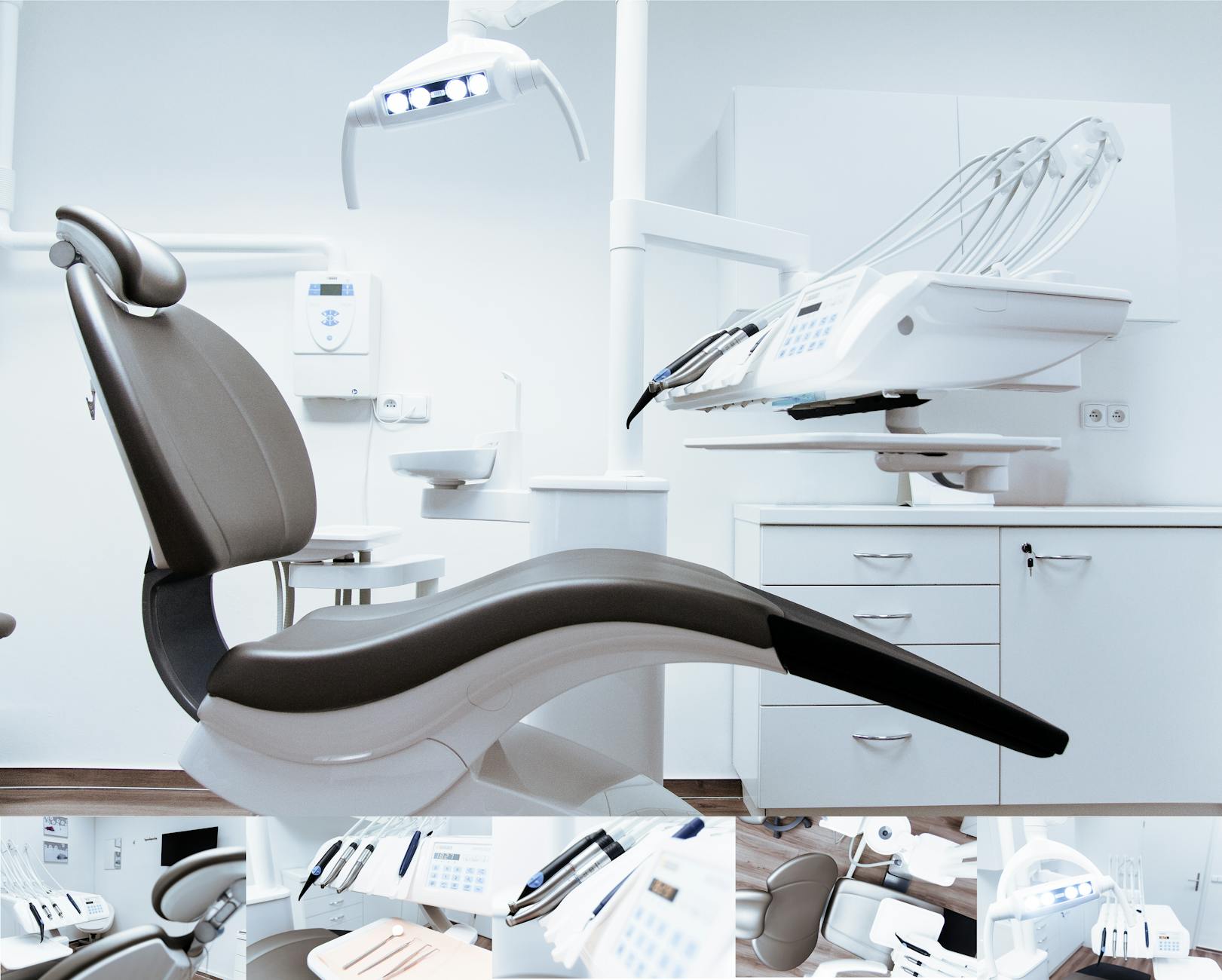
Importance of Smile Photography
Smile photography captures how your teeth, gums, and lips look in real life. It helps plan care, measure details, and track change over time. Clear photos also let you and your dentist see the same things, which improves decisions and results. In short, good images make treatment goals easier to set and reach.
Before treatment, we take standardized photos so we can compare like with like later. Before braces or aligners, we take a set of photos to map your smile. We start with photography smile analysis basics, such as consistent head position, lighting, and camera distance. Standard views usually include:
- Front face at rest
- Front face with a posed smile
- Profile view
- Retracted front teeth, biting together
- Upper and lower biting surfaces
These consistent angles let us measure incisal display, midline, cant, gingival show, and tooth proportions, then compare across visits. Clear photos also support digital planning, where we can preview changes and discuss options together. For tooth movement, this record helps with clear aligner planning and monitoring progress. Standardized two-dimensional photographs can assist in predicting how the smile line may transition, improving communication of expected outcomes [1].
Photos give real measurements of your own teeth and smile, which is better than relying on a single “golden” ratio. Research shows that proposed esthetic tooth-width rules vary across populations, so designs should be individualized from your images [2]. This is especially helpful when planning edge length, gingival contours, or symmetry. For example, accurate frontal and retracted photos guide enamel shaping, shade matching, and porcelain veneer design. Digital previews based on your photos help set realistic goals and reduce surprises at delivery [1].
For patients, this means fewer guesswork decisions and clearer before-and-after comparisons. For clinicians, it means better records, better planning, and better communication. Next, we outline the specific shots that matter most. Clear photos lead to clearer plans.
Types of Photos for Analysis
We capture a small, consistent set of views that answer clear questions about your smile. These include face images at rest and while smiling, profile views, retracted intraoral views from the front and sides, and occlusal images of the biting surfaces. Each view adds a different piece of information, so together they create a complete picture. Example: A quick front-smile and retracted set reveals a hidden midline shift.
Face photos show how teeth, lips, and gums look in daily life. The frontal smile reveals tooth display, the curve of the smile line, and how much gum shows. A relaxed face view helps check symmetry without the influence of a posed smile. Profile photos add context about lip support and how tooth position affects facial balance. These external views guide goals for natural appearance and proportion.
Retracted views bring the teeth and gums into clear focus. A straight-on retracted photo shows midlines, cant, contact points, and papilla fill, which helps us judge symmetry and space. Right and left retracted views show horizontal and vertical bite overlap, often called overjet and overbite, and help assess tooth inclinations. These images are the map for tooth movement and for shaping margins in restorations; they also inform conservative options like precise dental bonding repairs.
Occlusal photos, taken from above and below, show arch form, crowding, rotations, and wear patterns. They reveal crack lines, old margins, and functional pathways that are easy to miss in the mirror. Shade and texture photos, taken with consistent lighting and neutral backgrounds, help match color and gloss accurately. Those images support decisions about stain removal and timing for professional teeth whitening planning.
Together, these standardized views let us measure what matters, then track change with confidence. If you are curious about photography smile analysis basics, this is the core playbook we use. In the next section, we will explain how we position you and the camera to keep every image consistent. Clear photos lead to clear plans.
Consistent Techniques for Capturing Smiles
Consistent smile photos come from repeating the same steps every time. We use the same head position, camera distance, angle, and lighting so images are directly comparable. This reduces distortion and glare, and it makes changes easy to spot. The goal is reliable records, not just pretty pictures.
Here is the flow we follow. Stand or sit upright, look at a fixed point, and keep pupils level. First, rest your lips after saying “mmm,” then bite gently on back teeth for the smile and retracted images. We cue a natural smile rather than a forced one to capture true tooth display. Example: A quick laugh reveals your full smile line.
Camera setup stays constant. We use the same focal length and working distance, keep the lens centered, and hold the sensor plane perpendicular to the face. Even, diffused light and a neutral background limit shadows and shine, while a set white balance keeps color honest. For retracted views, cheek retractors are positioned symmetrically, lips are lightly moistened to reduce glare, and saliva is blotted, not over-dried, to preserve true shade. For occlusal images, warmed mirrors prevent fogging, and the mirror surface is aligned parallel to the biting plane so shapes are not warped.
Accuracy improves with small habits. We frame the eyes at the same height in frontal face photos and center the dental midline in retracted views. A millimeter scale or a known-size reference can be included in one view to calibrate measurements across visits. For color match, a shade tab is placed in the same plane as the teeth and angled to the light identically each time. These steps are the photography smile analysis basics that let us measure and compare with confidence.
Why this matters: consistent photos help plan margins, texture, and shade for restorations like precise crowns and bridges. They also make progress visible, which supports clear decision-making at each checkpoint. In the next section, we will show how these standardized images guide treatment choices. Consistency turns photos into trustworthy data.
Key Angles for Effective Imaging
Effective smile images rely on a few precise angles that keep lines straight and measurements true. The camera should face the subject squarely for face and retracted views, and meet the mirror at a right angle for occlusal shots. These angles reduce distortion, keep the smile line honest, and make comparisons reliable over time. A small tilt can hide a cant or create one that is not there.
Picture a quick front-smile photo before a consult. For the frontal view, center the lens on the dental midline, keep the sensor plane perpendicular to the face, and level the eyes. This shows symmetry, incisal display, and gingival reveal without skew. A three-quarter view, taken at roughly 45 degrees to the face, adds depth by showing curve of the smile arc and buccal corridors. Together, these angles help judge how teeth fill the smile and where refinements may help.
The profile angle should be true side-on, about 90 degrees to the facial midline, with a level horizontal reference. Natural head posture matters so that lip support and incisor position are shown as they appear in daily life. This angle is valuable when considering changes to tooth inclination or lip support, such as planning for snap‑in implant denture treatment. Consistency here lets small movements be seen rather than guessed.
For retracted intraoral images, hold the camera straight-on to the arch so the occlusal plane appears horizontal and midlines are true. Right and left views should be parallel to the posterior tooth plane to display overjet and overbite without parallax. For occlusal views, align the mirror parallel to the biting plane, then point the lens at 90 degrees to the mirror surface. This keeps tooth shapes accurate and arch width measurable. Even light and a known working distance further limit distortion, which helps when comparing across visits.
These angles turn photos into measurements you can trust. That means clearer choices for enamel reshaping, edge length, or designing partial dentures that fit your bite. In short, these are the photography smile analysis basics that make planning simpler and outcomes more predictable.
Preparing for a Smile Photography Session
Good preparation helps your photos look natural and true to color. Brush and floss gently, avoid lipstick or heavy gloss, and use a light, non-shiny lip balm. Wear a simple, solid top without bright patterns. Bring any removable appliances or aligners, and share your goals before we start.
Plan small details the day before. Avoid strong staining foods and drinks, and skip whitening strips or gels for 24 to 48 hours so tooth shade appears accurate. Hydrate well, since dry lips and tissues reflect light differently. If you wear makeup, keep it matte and neutral, and avoid shimmer that can glare. Real-world scenario: a quick balm and a plain shirt prevent reflections and color shifts. These are the photography smile analysis basics patients can control before the camera turns on.
On the day, arrive with clean teeth but do not over-dry your mouth; a quick water rinse is fine. Remove facial piercings and shiny jewelry that can catch the flash, and tie back hair so facial lines are visible. Let us know about cold sores, cuts, or recent dental soreness; we can adjust retractors, take breaks, or reschedule if needed. We will guide comfortable cheek retractor placement, blot saliva gently, and keep lighting even to reduce glare. If you need to confirm timing, check our current hours.
Bring a short list of concerns, and if helpful, a past photo of your preferred smile. Clear goals help us frame each view and capture the details that matter, like gum display and edge length. With this preparation, we can take consistent, accurate images in fewer shots, then move smoothly into planning. Small prep steps make better photos.
Interpreting Smile Photos
Interpreting smile photos means translating images into clear findings about balance and harmony. We look at how teeth, gums, and lips relate at rest and in a full smile. Real-world scenario: a slight head tilt can make level teeth look slanted. The goal is useful guidance, not guesswork.
From the straight-on face view, we judge tooth display, the curve of the smile line, and how much gum shows. We check whether the dental midline aligns with the face and whether the horizontal bite plane is level. A smile arc that follows the lower lip often looks natural, while an opposite curve can flatten the smile. Using photography smile analysis basics, we decide if features look balanced or need attention.
Profile and three-quarter views add depth. They show lip support, tooth inclination, and how the smile fills the corners of the mouth. If lips look under-supported, we consider whether tooth position or planned restorations could help. These views are also important when planning larger changes, such as thoughtful full-arch implant denture planning, where lip support and smile line must work together.
Retracted photos bring details into sharp focus. We evaluate symmetry of gum edges, papilla fill between teeth, and contact point positions. Black triangles may point to papilla loss, while uneven edges can signal wear or past chipping. Side views show overjet and overbite without distortion, which helps separate cosmetic concerns from bite issues. Occlusal photos reveal arch shape, rotations, and wear tracks that suggest grinding; they also help match color and surface texture for natural-looking repairs.
These interpretations guide next steps. Small enamel reshaping may soften edges, orthodontic movement can center midlines or level a slight cant, and selective gum recontouring can refine the smile line. We review the images with you, mark the findings, and align them with your goals. Clear interpretation turns photos into a plan you can trust. Clear photos, read well, lead to better choices.
Utilizing Photos in Treatment Planning
We use smile photos to decide what to change, how to change it, and when to do it. Clear images reveal tooth position, gum levels, and bite relationships, so we can set specific, measurable goals. This helps choose between moving teeth, reshaping edges, or adjusting gum contours, and it guides the order of care.
First, we turn images into numbers. From a frontal smile, we measure tooth display and gum show to decide whether edge lengthening, gum contouring, or alignment will help. Retracted and occlusal views clarify symmetry, spaces, and wear patterns, which informs conservative enamel shaping versus tooth movement. Real-world scenario: a quick front-smile photo shows that the smile line dips on one side.
Next, we plan the sequence. Whitening often comes before bonding or veneers so colors match, and minor alignment can come before final contours to preserve enamel. We use photography smile analysis basics to preview proposed changes on your own images, then check that the bite still functions and speech space remains comfortable. Intraoral photos also support objective bite assessment; research shows occlusion can be classified from standardized photographs, demonstrating that images carry measurable diagnostic detail [3].
Photos help set guardrails as well as goals. Baseline images document cracks, edge wear, and gum levels so we can track progress and avoid over-treatment. They also improve communication: we can mark proposed edge positions, note where papillae need time to rebound, and agree on priorities before any procedure. If surgery or restorative work is planned, the same views confirm that the smile line, midlines, and bite will still look and feel natural at the end.
For you, this means a clearer plan, fewer surprises, and steps that build on each other smoothly. We review the photos together, choose the path that fits your goals, and schedule care in the right order. Next, we connect these photo findings to specific treatment options. Clear photos guide smart choices.
Common Mistakes to Avoid
A few common errors can make smile photos hard to trust. They create false cants, wrong colors, or missing details that mislead planning. Real-world scenario: a slight camera tilt made level teeth look slanted. Avoiding these pitfalls keeps your images useful and comparable over time.
The first group of mistakes comes from position and distance. If the head is tilted, or the camera is not centered on the dental midline, the smile plane can appear uneven. Standing too close with a wide lens stretches features at the edges, changing tooth width and arch shape. Keeping the sensor plane perpendicular to the face, eyes level, and a consistent working distance helps every view tell the truth.
Lighting and color are the next trouble spots. Mixed light sources and auto white balance shift tooth shade from shot to shot, so color matching becomes guesswork. Glare from dry lips or over-dried teeth brightens surfaces and hides texture. Retractors placed unevenly pull one side more than the other, which can fake a midline shift. Use even, diffused light, moisten lips lightly, blot saliva instead of over-drying, and seat retractors symmetrically to keep shapes and colors honest.
Focus and alignment also matter. Soft focus or shallow depth of field blurs edges, so wear, cracks, and papilla shapes are missed. For occlusal images, a fogged or angled mirror warps tooth proportions and arch width. Align the mirror parallel to the biting plane, then aim the lens at 90 degrees to the mirror surface. Avoid tight crops that cut off reference lines, and include a small scale or known-size object in one view when measurements will guide care.
Finally, avoid analysis errors. Do not compare a forced grin to a relaxed smile, and do not rely on a single favorite photo. Heavy filters or smoothing change color and texture, reducing diagnostic value. Follow photography smile analysis basics by using the same views, same setup, and minimal editing, so any difference you see is real. For patients, this means clearer choices and fewer surprises when planning treatment. Clean capture beats clever correction.
Integrating Photography into Daily Practice
We build photography into each visit with a short, repeatable set of views. A trained assistant captures standardized images at check-in, then we review them chairside to guide the exam and plan. Files save directly to your chart with clear names and dates, so comparisons are fast and reliable. This keeps care efficient without adding extra appointments.
Here is the simple flow. Intake includes consent, a quick clean of the lips and teeth, and a consistent backdrop. The assistant follows a fixed sequence, usually taking face, retracted, and occlusal views in three to five minutes. We lock camera settings, distance, and lighting, so the images match past visits. Real-world scenario: three photos before the exam prevent five minutes of guesswork later.
Storage and access matter as much as capture. Photos are named by date and view, then linked to the treatment plan in the record. A small, known-size reference appears in one image for scale, which helps when measuring edge length or gum levels. We display the set on a chairside screen, mark findings with you, and save those notes. This makes decisions about timing and sequence clear.
Photography supports many parts of care. Hygienists use it to track gum changes and stain patterns, while the dentist measures symmetry, wear, and bite. Pre‑ and post‑op images document healing and guide shade matching for repairs. They also help explain options for restorative or surgical steps, from enamel shaping to wisdom tooth removal. When emergencies arise, quick photos capture cracks or fractures before swelling hides details.
We also use photos to stage complex care over time. Baseline images guide whitening before final contours, and they help set realistic goals for alignment, bonding, or crowns. For example, documenting a darkened tooth can inform comfort‑focused root canal treatment in Glendale and later color correction. This is where photography smile analysis basics meet everyday workflow, turning pictures into clear steps you can follow.
For patients, this means quicker visits, clearer choices, and consistent results over time. For the team, it means reliable records that lead to better planning. Simple systems make photography work every day.
The Impact of Lighting and Background
Lighting and background decide how true your smile photos look. Good light shows real tooth color and fine detail, while a neutral background keeps attention on the teeth and lips. Poor choices add glare, shadows, and color shifts that can mislead planning. Real-world scenario: mixed window and ceiling light made white teeth look two different shades.
Light quality matters first. Soft, even light reduces harsh reflections that hide cracks, texture, and gingival contours. Keep one color temperature, then set white balance so tooth shade is recorded honestly from visit to visit. The angle of light also counts. A slight offset from the camera reduces specular shine on enamel, so you see surface texture and edge translucency instead of a bright hotspot. If glare remains, polarizing the light and lens can further reveal true color and fine detail.
The background guides both color and exposure. A matte, neutral backdrop avoids color casts that can warm or cool the teeth, and it prevents the camera from darkening or brightening the scene unpredictably. Busy patterns or glossy surfaces pull focus and confuse autofocus, which softens edges and hides small findings. Leaving space between you and the background softens shadows around the face, keeping the smile line clear. Inside the mouth, even illumination to the corners reduces deep shadows that exaggerate buccal corridors and mask papilla shape. These steps support photography smile analysis basics by making each image directly comparable.
For you, better light and background mean more accurate shade matching, truer assessment of gum display, and honest comparisons over time. That leads to clearer decisions about alignment, enamel reshaping, or restorative contours without surprises at delivery. We keep the setup simple and repeatable so results are consistent across visits. Neutral light and background make photos you can trust.
Digital Tools for Photo Enhancement
Digital tools for photo enhancement help us make smile photos clearer and more consistent. We adjust exposure, white balance, and cropping so images match across visits. The goal is accuracy, not glamour edits, so your teeth look the way they truly appear. Small corrections make comparisons fair and planning safer.
Color comes first. A neutral reference guides white balance, then software applies the same setting to the full set so shade stays honest. Polarized capture reduces glare, and careful highlight control in software reveals surface texture without flattening enamel. Real-world scenario: a quick glare fix reveals a crack line missed in the original photo. These steps support photography smile analysis basics by keeping color and detail steady over time.
Geometry matters next. Lens profiles remove barrel or pincushion distortion, and perspective tools square the midline and bite plane when the camera was slightly off. A known-size reference in one image lets digital rulers measure edge length and gingival levels within a millimeter. Side-by-side and overlay views then show movement or symmetry changes clearly, which improves discussion and choices.
Clarity also depends on noise control and sharpening. We reduce noise and sharpen modestly to keep edges crisp without inventing detail; heavy filters are avoided. Annotations, grids, and millimeter scales are added on a separate copy so the untouched original is always available. Consistent color space, calibrated monitors, and clear file names protect accuracy and help the team see the same thing.
For patients, this means photos that tell the truth and make progress easy to see. The result is better shade matching, more precise contours, and fewer surprises. Next, we use these optimized images to plan mock-ups and verify changes before treatment begins. Honest enhancements make decisions easier.
Patient Involvement in Smile Analysis
Your input shapes how we photograph, read, and plan your smile. You help choose which expressions to capture, tell us what you like, and review the images with us. Together, we mark what to change, what to keep, and how natural the result should look. Your feedback turns pictures into a plan.
We start with your goals. Show a past photo you like, or describe the amount of tooth and gum you want to show when you smile. Point out edges that look sharp, a tooth that feels long, or color you hope to match. Real-world scenario: you spot a tiny chip in the photo that you never noticed in the mirror. We annotate the images so your priorities stay front and center.
During capture, you guide what is “natural.” We take a relaxed face, a comfortable smile, and a laugh smile, then ask which one looks like you. If something feels forced, we retake it. Short video clips can help us catch your true smile. Simple speech checks, like saying “F” and “S,” show how tooth edges meet the lips, which helps set length. These steps are part of photography smile analysis basics that keep results personal.
Next, we compare options side by side. We can preview small changes to edge length, gum line, or tooth shape on your own photos. Temporary mock-ups or conservative bonding “test drives” let you see and feel changes before committing. You tell us what looks right in different lights and while speaking, and we note any areas to refine. This shared review reduces guesswork and sets clear next steps.
Your role continues after decisions are made. You help set the sequence, like whitening before final contours, and you confirm we are matching the shade and texture you prefer. We repeat the same views at follow-ups so progress is easy to see, and we adjust the plan if something does not feel natural. When you stay involved, the smile reflects you. Clear input leads to clear outcomes.
Frequently Asked Questions
Here are quick answers to common questions people have about Smile Photography: The Shots That Matter in Glendale, AZ.
- What is smile photography analysis?
Smile photography analysis involves capturing standardized photos of your smile to assess the positions of teeth, gums, and lips. It is used to plan treatments, track changes, and visualize outcomes using clear and consistent images. Key elements include taking photos with a fixed camera angle and lighting, to ensure reliable comparisons over time. This process aids in setting and achieving specific dental goals.
- Why are consistent techniques important in smile photography?
Consistent techniques in smile photography ensure that each photo is directly comparable to others. By repeating the same steps in head position, camera settings, and lighting, the images avoid distortion and highlight true features. This reliability is crucial for evaluating progress, planning treatments, and setting realistic goals. Consistency also minimizes guesswork and supports accurate dental assessments.
- How do smile photos support dental treatment planning?
Smile photos support dental treatment planning by providing a visual record of your starting point, showing details like tooth positioning, gum lines, and overall symmetry. These images help set measurable goals, decide on treatment order, and visualize potential changes. For instance, identifying a midline shift early can guide orthodontic planning effectively, aligning treatments with your expectations and improving outcomes.
- What should you do to prepare for a smile photography session?
For a successful smile photography session, gently brush and floss your teeth, avoid vibrant lip colors, and wear plain clothing to prevent glare. Stay hydrated and avoid whitening products just before the session. Inform your dentist about any oral issues in advance, and share your smile goals to achieve the best photographic outcomes. This preparation supports the photography smile analysis basics and results in clearer images.
- What are some common mistakes to avoid in smile photography?
Common mistakes in smile photography include poor camera angle, inconsistent lighting, and improper subject positioning. These errors can cause distortion, color shifts, and inaccurate portrayals of teeth alignment. Consistently center the camera, avoid mixed lighting sources, and maintain a perpendicular angle to the subject to ensure accurate and useful photos.
References
- [1] Digital prediction of smile line transition by using 2D photowrapping. (2025) — PubMed:39353753 / DOI: 10.1016/j.prosdent.2024.09.006
- [2] Evaluation of the Golden Proportion, Golden Percentage, and Recurring Esthetic Dental Proportion in Kenyans of African Descent. (2024) — PubMed:38970240 / DOI: 10.1002/cre2.923
- [3] Development and evaluation of a deep learning model for occlusion classification in intraoral photographs. (2025) — PubMed:41031041 / DOI: 10.7717/peerj.20140