Understanding Black Triangles
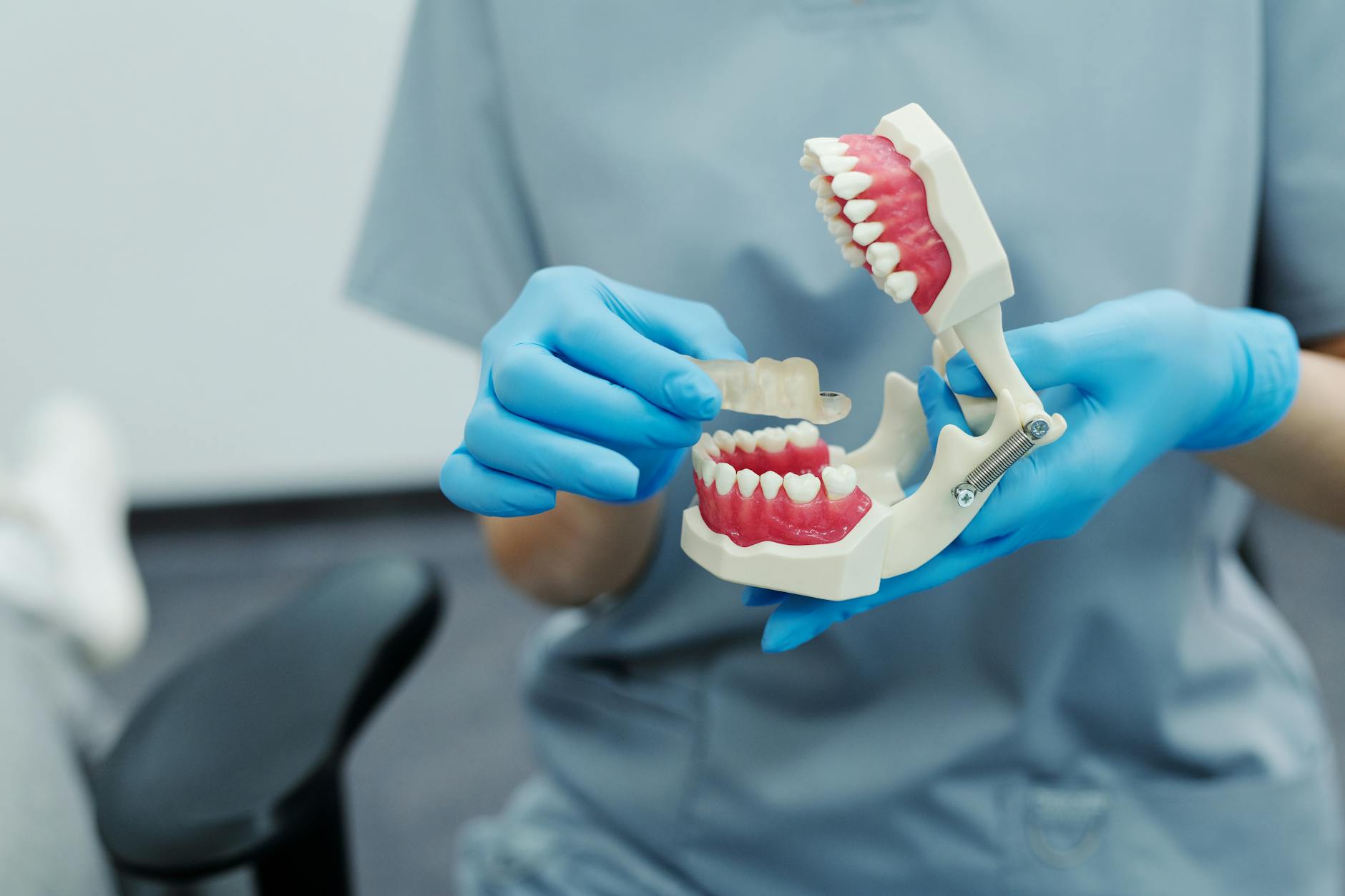
Black triangles are small dark spaces that show between teeth near the gums. They form when the gum tissue between teeth, called the papilla, no longer fills the space. These gaps can catch food and may be more noticeable in the front teeth. They are a cosmetic concern, and sometimes a cleaning challenge.
You notice a small dark gap near your front teeth in photos. To understand why it appears, think about three pieces: tooth shape, gum health, and bone support. Triangular teeth have wider biting edges and narrow necks, leaving more room near the gumline. If the gum recedes, or if bone support drops from gum disease, the papilla shrinks and a gap shows. Orthodontic movement that slightly separates tooth roots can also open this space.
Common contributors include:
- Gum recession from brushing too hard or aging
- Periodontal disease with loss of supporting bone
- Triangular tooth shapes with narrow necks
- Tooth position or rotation after orthodontics
- Contacts that sit too far from the gumline
Because causes differ, treatment is tailored to your mouth. Many plans start with gum health: precise cleanings, gentle brushing, and the right interdental tools to reduce inflammation. Small gaps can often be softened by reshaping contacts or adding tooth-colored material to adjust contours; this conservative step is sometimes achieved with conservative dental bonding. When teeth are misaligned, careful tooth movement can close spaces and move contacts closer to the gumline. Surgical papilla reconstruction exists, but results vary, and success depends on the distance between the contact point and underlying bone.
A focused exam measures tooth shape, contact position, gum levels, and your smile line, then weighs benefits and trade-offs. With clear goals, we can discuss black triangle solutions that match your needs and timeline. The right plan can improve daily cleaning and the look of your smile. Small, well-chosen steps often make a big difference.
Causes of Papilla Loss
Papilla loss happens when the small wedge of gum between teeth no longer fills the space. The most common drivers are changes in the bone that supports the teeth, changes in gum thickness or position, and changes in how teeth touch each other. Sometimes it follows dental movement or dental work that alters contact points.
You notice a tiny dark wedge after braces are removed. The papilla sits on top of the bone between teeth, so its height depends on that bone and where the tooth-to-tooth contact is located. When bone shrinks from periodontal inflammation, the distance up to the contact grows, and the gum cannot span the gap. If contact points sit too far toward the biting edge, the embrasure underneath is larger and harder for the papilla to fill.
Gum type matters too. Thinner, more delicate gums are more likely to recede after irritation or minor trauma, which shortens the papilla. Local inflammation from plaque, food impaction, or ill-fitting floss tools can cause swelling, then shrinkage once the inflammation is treated. Over time, this can leave a small void even when the area becomes healthy again.
Tooth position also plays a role. When roots are slightly angled away from each other, the contact moves higher and the space below widens. Rotated or triangular teeth create a narrow neck and wide edge, so the gum must stretch to fill an oversized embrasure. Around dental implants, the blood supply to the papilla is different than around natural teeth, so the tissue between an implant and a tooth, or between two implants, may be less predictable in height.
Restorations and habits can contribute. Over-contoured or under-contoured fillings and crowns can shift contact points. Aggressive brushing, tobacco, and a history of gum surgery can thin the tissue or change its shape. Understanding which of these factors applies in your mouth guides the next steps. With the cause mapped out, we can discuss black triangle solutions such as improving gum health, adjusting contact shape, or careful tooth movement with thoughtful clear aligner treatment. The right plan starts with the right diagnosis.
Additive Bonding Techniques
Additive bonding uses tooth‑colored resin to reshape the sides of teeth and soften a black triangle without removing healthy tooth. The material is placed and sculpted to lower the contact point and narrow the open space near the gum. When polished smoothly, the result blends with enamel and is gentle on gums.
In a mirror, you notice a triangular shadow by a front tooth. The clinical aim is simple: move the tooth‑to‑tooth contact closer to the gum and create a fuller “emergence profile” so the papilla has less space to span. We isolate the area for moisture control, then place clear forms or strips to guide contour. Thin layers of resin are added and light‑cured, building shape gradually for a natural transition. Finishing and high‑gloss polishing reduce plaque retention and help the area feel smooth when you floss.
Planning matters as much as placement. These additions work best when gums are healthy and the bone‑to‑contact distance is not too large. Very wide spaces, or highly triangular teeth, may need a staged approach such as minor alignment first, then bonding. If a tooth also needs significant color or shape change, carefully designed porcelain veneers for shape control can be considered after gum health is stable. Throughout, we preserve cleanable embrasures, since overbuilding can trap plaque and irritate tissue.
Maintenance is straightforward. Expect routine polishing at cleanings, and occasional touch‑ups if edges chip or stain over time. Good daily care, gentle flossing techniques, and the right interdental tools keep the papilla calm and the margins bright. Additive bonding is one of the most conservative black triangle solutions, and it can be adjusted or revised as your smile and gums change. If you are planning a visit, see our current hours. A small, well‑placed addition can make a big visual difference.
Orthodontic Considerations and Benefits
Orthodontic tooth movement can reduce the look of black triangles by adjusting how teeth touch and how their roots line up. The goal is to bring teeth together in a way that lowers the contact point and encourages the gum papilla to fill more of the space. Benefits include a cleaner contact, fewer food traps, and a smoother smile line. Results depend on healthy gums and careful planning.
You run floss and feel it drop through a wedge-shaped gap. Two orthodontic levers guide care here. First, interproximal reduction can gently reshape overly triangular teeth so the sides are less tapered. This creates a longer, more stable contact when teeth are aligned. Second, root positioning matters. When roots are slightly convergent, the space below the contact is smaller, which gives the papilla a better chance to fill.
Good mechanics balance tipping, torque, and alignment. Small rotations can be corrected to square up contacts. Light space closure can improve how edges meet without flattening the smile. If the gum-to-bone support is limited, we plan conservatively, since tissue height plays a major role in whether a triangle fully closes. In some cases, minor alignment combined with selective polishing or additive bonding offers the most natural result with the least change.
There are limits and trade-offs. Over-reducing enamel to chase closure can thin teeth, so reduction is measured and mapped. Over-rotating or flaring teeth can move contacts toward the biting edge and reopen spaces. To protect gains, retainers hold tooth positions while the papilla stabilizes. Daily cleaning must remain easy, so we avoid bulky contours that trap plaque near the gums.
For many people, orthodontics is most effective as one step in a staged plan. We may align first to improve contacts, then refine shape conservatively to soften any small remaining gaps. This approach keeps options open and supports long-term gum health. When we discuss black triangle solutions, we match the mechanics to your tissue biology and smile goals. Thoughtful movement can make a small space much less noticeable.
Step-by-Step Treatment Approach
We follow a simple sequence to treat open gingival embrasures. First we map the cause, then calm the gums, then test small changes, and finally choose a lasting option that stays easy to clean. You see a dark gap in selfies and want a safe fix. This plan keeps each step conservative and reversible when possible, and it supports long-term gum health.
The visit starts with photos, gentle measurements, and a close look at tooth shape, contact position, and your smile line. We note where the teeth touch and how far that point sits from the gum peak, since this guides what is realistic. Clear goals help us choose whether to focus on contour changes, tooth movement, or both. Planning first prevents over-treatment and lets you see likely outcomes before we commit.
Next, we stabilize the tissue. Professional cleaning and home care coaching reduce swelling so the papilla can show its true shape. When the area is calm, we can try a quick “mock-up” with temporary resin or clear forms to preview how a smaller embrasure looks and feels. This step checks floss glide, speech, and cleaning, and it helps you decide if the change meets your priorities.
Definitive care follows the least invasive path. Many cases respond to precise polishing to adjust contact shape, combined with additive bonding to lower the contact and soften the triangle. If tooth positions limit closure, minor alignment can improve contact length before bonding. When older crowns or fillings create high contacts or bulky angles, a carefully planned thoughtful crown or bridge revision can move the contact to a healthier spot. Throughout, we avoid overbuilding, so floss and brushes still pass smoothly.
Finally, we allow the gums to settle and review. Small refinements, like smoothing or edge tinting, improve the blend. If we moved teeth, retainers hold positions while the papilla stabilizes. Expect routine maintenance with cleanings and occasional touch-ups if edges chip or stain. For anxious patients, comfortable oral sedation options can make longer visits easier. With this stepwise plan, black triangle solutions stay predictable, cleanable, and kind to your tissues.
Materials Used in Restoration
To restore small gaps at the gumline, dentists most often use bonded tooth-colored composite resins and, when broader changes are needed, thin porcelain veneers. Modern adhesives, careful layering, and high-gloss finishing help these materials look natural, feel smooth, and stay friendly to the gums. The materials are chosen to blend with enamel, resist staining, and allow easy daily cleaning.
You notice floss fray near a small triangular gap. For conservative care, composite resin is the workhorse. A very thin flowable layer can first wet the surface for adaptation, then a stronger nanohybrid or microhybrid composite builds the shape. Microfilled or surface sealant resins may be used at the end to increase luster and reduce surface porosity, which helps limit future staining. Small tints or opaquers can be added in tiny amounts so the new contact looks seamless under different lighting. Adhesives are selected to bond strongly to enamel and dentin while remaining gentle to the tissue nearby.
When a tooth needs significant color or form change along with closing the space, porcelain can be considered. Thin ceramic veneers allow precise control of the contact location and the “emergence profile,” the way the tooth comes out of the gum. Porcelain is color-stable and holds polish well, which supports long-term brightness. Whether using composite or ceramic, the goal is the same: a smooth, cleanable contour that lowers the contact point without overfilling the embrasure. Materials that remain rough or dissolve easily in moisture are avoided in this area, since they can collect plaque and irritate the papilla.
Material choice affects comfort, appearance, and maintenance. Polished composite often needs occasional touch-ups if edges chip or pick up stain, while porcelain usually needs less frequent refinishing but requires careful planning up front. Your habits, gum health, and goals guide which option fits best. As we discuss black triangle solutions, we match the material to your tissue, your smile, and how you like to care for your teeth. Small, well-chosen materials can make a lasting difference.
Patient Experience During Treatment
Most patients find treatment for open spaces near the gums comfortable and straightforward. Simple shaping or preview mock-ups are often done without numbing. Additive bonding may use gentle isolation and a bright curing light, and many people feel only light pressure. Orthodontic steps use aligners or braces adjustments that create mild, short-lived pressure.
You sit down wondering if the change will feel bulky afterward. We begin with photos and a careful look at how your teeth touch and how easily floss moves. If a mock-up helps, a thin, temporary layer is placed to preview the smaller space, then smoothed so floss glides. This tells us if speech, cleaning, and the look meet your goals before anything permanent is done.
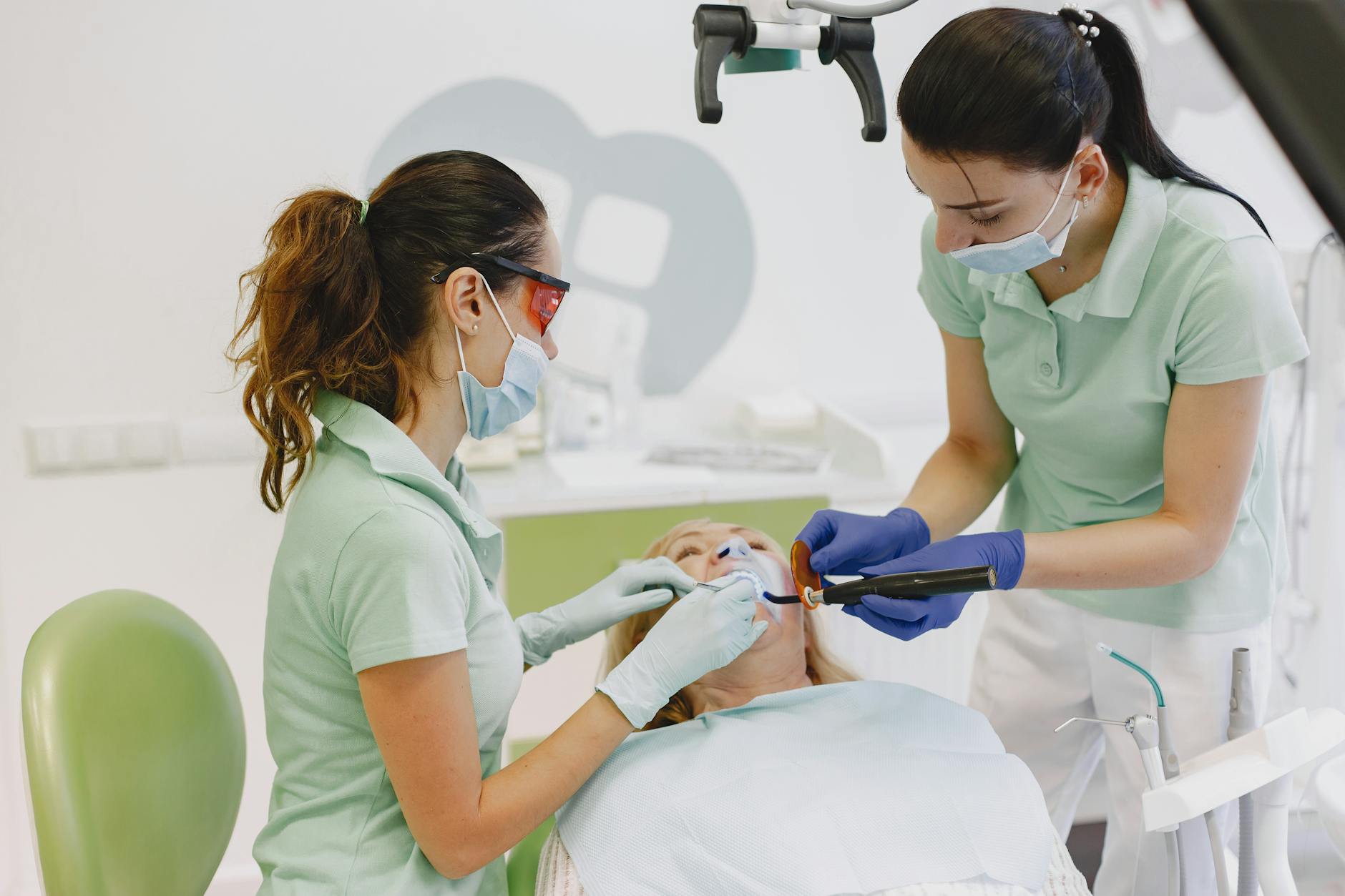
For additive bonding, we keep the area dry with small cushions or a soft barrier. You may feel cheek retractors, air, and a warm curing light. Resin is added in thin layers and polished to a high shine, which makes the surface feel glassy. Appointments often run 30 to 90 minutes, depending on how many teeth are treated. Afterward, you can usually eat as normal, though mild temperature sensitivity can occur for a day or two.
If orthodontic alignment is part of care, interproximal reduction feels like brief, cool sanding between teeth with water. Clear aligners or braces create gentle pressure for 1 to 3 days after changes. As contacts lengthen and roots are guided, the space under the contact gets smaller. The gum papilla may take several weeks to settle into the new shape, so the final look improves gradually.
At home, use a light flossing motion that hugs each tooth, without snapping into the gum. A small interdental brush can be helpful if recommended, especially while tissues adapt. If a spot feels rough or catches food, we can polish it quickly. Follow-up visits check floss glide, contour, and gum comfort, and small refinements are common. Throughout, we aim for cleanable contours and gentle steps, so black triangle solutions feel natural in daily life. Comfort and cleanliness guide every step.
Expected Outcomes and Success Rates
Most people see a clear cosmetic improvement when black triangles are treated, but full closure is not always possible. Results depend on gum health, tooth shape, and how close the tooth contact is to the underlying bone. With the right plan, small to moderate spaces often become much less noticeable and easier to clean. Healthy gums make outcomes more predictable.
You smile in bright light and notice a small dark wedge near a front tooth. The gum between teeth, the papilla, can only stretch so far. If the contact point sits close to the bone and the tissue is thick and calm, the papilla is more likely to fill the space. If the contact is higher or the bone support is reduced, we can improve the appearance, but a tiny shadow may remain. Tissues also remodel slowly, so the final look usually improves over several weeks after treatment.
Additive bonding gives immediate change and is often the most predictable way to soften small gaps. By lowering the contact and smoothing contours, the space looks smaller the same day. The finish stays smooth with routine cleanings, though minor touch-ups for edge wear or stain are common over time. Orthodontic alignment can lengthen contacts and guide roots into a friendlier position. This often reduces the triangle and improves floss glide, but perfection is limited by the biologic height of the papilla, and retainers help hold gains while tissue settles.
Surgical papilla reconstruction is used less often because results vary. It may help in select cases with stable gums and careful planning, yet it frequently yields partial fill rather than a complete closure. For many, the highest-value path is a staged plan: align where helpful, then refine shape with conservative bonding. This keeps cleaning simple and supports gum comfort.
We set expectations together by measuring contact position and tissue levels, then previewing changes with a quick mock-up. With steady home care and periodic polishing, most black triangle solutions age well and stay comfortable to maintain. If you are comparing options, ask which result is realistic in your mouth and how long tissues typically take to settle. Small, well-planned steps usually deliver the best balance of beauty and health.
Maintaining Your Results
Keeping your result looking good comes down to calm gums, clean contacts, and steady follow-up. Gentle daily care, protective habits, and planned checkups help the papilla stay comfortable and the contours smooth. If orthodontics or bonding was part of your care, retainers and occasional polishing support long-term stability.
You run floss and feel a smooth click at each contact. That feeling means the area is clean and the contour is friendly to tissue. Use a soft brush and small, circular strokes near the gumline. Slide floss in with control, hug each tooth in a C-shape, and glide up and down. Where the space is larger, a small interdental brush or a water flosser can help, if recommended for your mouth. The aim is low irritation and low plaque, since inflamed tissue can shrink after it heals and make the gap look larger again.
If additive bonding was used, expect a smooth, glassy surface. To protect it, avoid biting pens, fingernails, or ice, and do not snap floss into the contact. Choose non-abrasive toothpaste to limit surface wear. If you clench or grind, a well-fitting night guard can reduce chipping at the edges. At visits, quick high-shine polishing keeps margins bright, and tiny touch-ups are simple if a corner picks up stain or a micro-chip appears.
When orthodontic tooth movement helped your result, retainers matter. Wear them as directed, check their fit weekly, and let us know if they feel loose or tight. As contacts lengthen and roots settle, the papilla often improves over several weeks. Give the tissue time, and avoid forcing pointed tools into the embrasure. If veneers or crowns were part of care, thread floss under the contact gently, then pull it out sideways to prevent catching on the edge. Small, steady habits keep everything stable.
Plan on routine cleanings and brief reviews of floss glide, contact shape, and gum comfort. With steady home care and planned checkups, black triangle solutions tend to age well. Simple, consistent care preserves your smile.
Future Options for Treatment
Future care focuses on keeping the area healthy, then choosing small, targeted steps if the space still shows. Options range from simple touch‑ups to staged plans that combine alignment, contour changes, or tissue support. The best path depends on gum stability, bone support, and your goals. Months after alignment, a small shadow returns in photos.
First, we monitor tissue and contacts. Gums often remodel for several weeks after any change, so a space can slowly soften without more treatment. If the area stays stable but the shadow remains, conservative refinements are available. Small polishing changes can lengthen the contact, and selective additive bonding can be refreshed to lower the contact slightly and smooth the transition. Digital previews help confirm that floss will glide and speech will feel normal before anything is finalized.
When tooth positions limit closure, minor orthodontic refinement can align edges and root angles so the embrasure is smaller and easier for the papilla to fill. This is often paired with light contouring for the most natural look. If older crowns or fillings create high contacts or bulky profiles, replacing them with better-shaped restorations can move the contact closer to the gum and reduce the visible void. Each step is planned to keep cleaning simple and to preserve enamel wherever possible.
For thin or receded gums, soft tissue grafting may thicken the tissue and improve the way light reflects near the embrasure. This can make the space less noticeable, even if it does not fully close. Around dental implants, papilla height is less predictable than around natural teeth, so expectations are set carefully. Surgical papilla reconstruction is considered only in select cases, since results vary and depend on the distance from the contact to the supporting bone.
Looking ahead, materials and planning tools continue to improve, from high‑polish composites to precision mock‑ups that let you see and feel changes first. We revisit cleaning habits and fit of retainers, then choose the smallest step that achieves your aim. As your smile and tissues change over time, we can adjust. Patient‑specific, cleanable contours age best.
Importance of Regular Dental Check-Ups
Regular dental check-ups help prevent small gumline spaces from forming and keep treated areas stable. They let us spot early gum changes, adjust cleaning techniques, and fine-tune tooth contacts before a visible gap appears. You notice a faint shadow between two teeth in new photos. A timely visit makes small fixes possible while they are still simple.
At each check-up, we look closely at the gum papilla between teeth, measure any recession, and note where the teeth actually touch. We also watch for plaque or inflammation, since irritated tissue can shrink after it heals and make a triangle look larger. Professional cleaning lowers inflammation and smooths surfaces, which supports a fuller papilla. Clear guidance on brushing and interdental tools keeps daily care gentle and effective.
Contacts matter. If a filling, crown, or tooth position places the contact too high, the space under it widens. During visits, we can refine contours, polish away tiny ledges, and confirm that floss glides without snapping. Small adjustments protect the gum and reduce food traps. If tooth movement is part of your plan, we also check retainer fit and root alignment so the embrasure remains friendly for the papilla.
For bonded areas, routine high‑shine polishing helps the margin stay smooth and bright. We repair micro‑chips early and refresh luster so plaque does not cling. If your gums are thin or have begun to recede, scheduled reviews catch changes early and guide gentle habits that protect tissue. These steps reduce the risk of bone loss from periodontal disease, which can lengthen the distance the papilla must span and make gaps more noticeable.
Regular check-ups make any black triangle solutions more predictable and longer lasting. They keep the plan on track, confirm that cleaning stays easy, and allow quick refinements if something changes. If you have noticed a new shadow or a food trap, a simple visit can set a clear, calm path forward. Small, steady care prevents bigger problems.
Frequently Asked Questions
Here are quick answers to common questions people have about Filling “Black Triangles” Safely and Attractively in Glendale, AZ.
- What causes black triangles to form between teeth?
Black triangles appear when the gum tissue, known as the papilla, no longer fills the space between teeth. Common causes include gum recession due to aging or brushing too hard, periodontal disease, and triangular tooth shapes that create gaps near the gumline. Changes in tooth position or improperly positioned contacts can also contribute. These gaps might occur naturally or as a result of dental treatments like braces, which alter the alignment and contact points of the teeth.
- How can additive bonding help with black triangles?
Additive bonding uses tooth-colored resin to reshape teeth and reduce the appearance of black triangles. By adding resin, the tooth-to-tooth contact is lowered, narrowing the gap near the gum. This process doesn’t require removing healthy tooth material and when polished, the result is smooth and blends naturally. Proper gum health and careful planning are essential to achieve the best results with this conservative approach.
- Are there orthodontic solutions for black triangles?
Orthodontic treatment can reposition teeth to change how they touch and align their roots. By adjusting tooth contact points and root positioning, black triangles can be reduced. Techniques like interproximal reduction and careful alignment can create closer contacts and smaller gaps, allowing the gum papilla to fill more of the space. This approach often works well in combination with other treatments like bonding for a more complete result.
- What materials are used in the treatment of black triangles?
To address black triangles, dentists typically use tooth-colored composite resins for conservative restoration. For broader or more significant changes, porcelain veneers might be chosen. These materials are selected for their ability to blend with natural teeth, resist staining, and feel smooth. The choice depends on the specific dental needs and goals of treatment, as well as the existing health of the gums and teeth.
- How do regular dental check-ups help prevent or maintain solutions for black triangles?
Regular dental check-ups are crucial to preventing new black triangles and maintaining the results of existing treatments. They allow for early detection of gum issues, precise cleaning, and adjustment of tooth contacts before noticeable gaps develop. Maintenance might include polishing bonded areas, repairing minor chips, and ensuring that retainer fit preserves tooth alignment, supporting long-term gum health and stability.