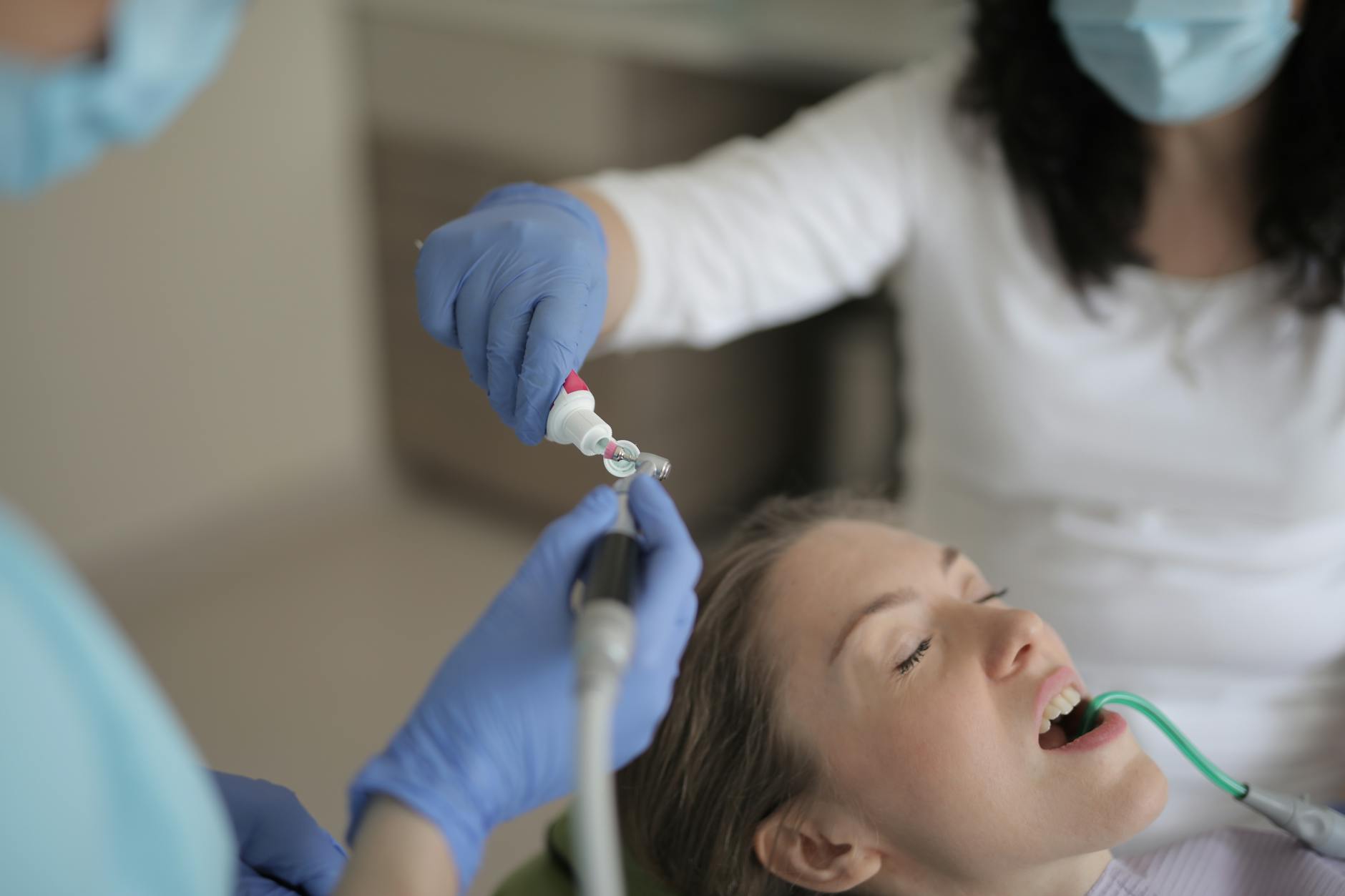
Understanding Additive Dentistry Techniques
Additive dentistry means improving a smile by adding to the teeth instead of drilling them down. Dentists bond carefully shaped materials to enamel to change color, length, or shape. The goal is to preserve natural tooth structure, keep options open for the future, and achieve a healthy, natural look. This approach is often minimal or no-prep.
Picture a small chip on a front tooth the day before photos. With additive care, we plan the final shape first, then place bonded material only where needed. Digital scans, a wax-up, and a try-in mock-up help test speech, bite, and facial harmony before anything is permanent. When suitable, a no-prep pathway can be used for conservative porcelain veneers that rely on strong enamel bonding.
Common additive techniques include:
- Direct composite bonding to close spaces or repair chips
- No-prep or minimal-prep porcelain veneers for shape and shade changes
- Incisal edge lengthening to restore worn front teeth
- Selective enamel micro-etching to improve adhesion while preserving structure
- Digital wax-up and mock-up to preview contours and bite
- Occlusion-guided design to protect restorations during chewing and at night
Clinical reasoning focuses on bonding to enamel, which increases retention and can improve longevity. The dentist evaluates bite forces, gum health, and space for material so results look natural, not bulky. The additive dentistry no prep approach is not for every case. Crowding, large old fillings, or deep staining may require limited reshaping, orthodontics, or whitening before additive work. Many small to moderate changes are well suited to precise chairside dental bonding, which is repairable and polishable over time.
For patients, this means fewer irreversible changes and options that can be maintained or updated as needs evolve. Expect careful planning, conservative treatment, and follow-up for polishing, wear checks, and night guard use if you clench. A conservative plan can protect teeth today and preserve choices for tomorrow.
Benefits of a No Prep Approach
A no prep approach aims to improve your smile without drilling healthy enamel. This preserves tooth strength, often avoids shots, and lowers the chance of post‑treatment sensitivity. Because the enamel stays intact, bonding can be strong and repairs are usually simple if you ever need them.
Imagine wanting a small shape change before an important event. Keeping enamel untouched helps the restoration blend with your natural tooth, so edges stay smooth and easy to clean. Margins can remain at or above the gumline, which supports comfortable brushing and may reduce plaque retention compared to deeper margins. Appointments are typically shorter, and many patients return to normal eating and speaking right away.
Clinically, the benefit comes from bonding to enamel, which provides reliable adhesion and stable color over time. Preserving enamel also protects the pulp inside the tooth, since there is less heat and vibration than with drilling. If wear, chipping, or spacing changes later, additive layers can be polished, adjusted, or selectively replaced, rather than starting over. This stepwise path keeps future options open, including full coverage only if truly needed.
When space is tight, we can often make room without removing enamel. Gentle tooth movement with clear aligner orthodontics before additive work can create ideal contours and help the bite protect new edges. If the goal includes a lighter shade, professional teeth whitening first lets us match additions to a brighter baseline, so less material is needed for color changes. These combinations fit well with an additive dentistry no prep approach.
For patients, the result is conservative, comfortable, and maintainable care that respects natural teeth. If you are planning a visit, check our current hours to find a convenient time. Thoughtful planning and minimal intervention can deliver a natural look while preserving choice for the future. Conservative changes today protect possibilities tomorrow.
Preserving Enamel: Why It Matters
Enamel is the thin, hard outer shell of your teeth. It protects the softer dentin and the nerve inside from temperature, acids, and wear. Once enamel is drilled away, it does not grow back, so keeping it intact maintains natural strength and comfort. Protecting enamel also supports longer‑lasting, more predictable cosmetic results.
Think of a moment when you sip ice water and feel a sharp zing. That happens more easily when dentin is exposed and enamel is thin or missing. Enamel acts like a seal, blocking fluid movement in the dentin tubules that can trigger sensitivity. It is also an ideal surface for bonding, which helps additions blend smoothly and stay secure. For these reasons, an additive dentistry no prep approach is often preferred when the bite and space allow.
Preserving enamel also protects the tooth’s nerve. Less drilling means less heat and less vibration, which lowers the chance of post‑treatment tenderness. Keeping margins on enamel, and near or above the gumline, supports healthy brushing and flossing, and can reduce plaque retention around edges. Color is more stable too, because bonded layers sit over a strong, light enamel background rather than darker dentin. If a small repair is needed later, it is usually straightforward and does not require removing more natural tooth.
There are times when enamel is already lost from decay, cracking, or large old fillings. In those cases, targeted reshaping or full‑coverage protection may be the safer path to restore function and seal the tooth. When strength and coverage are the priority, learn about thoughtfully planned crowns and bridges for compromised teeth. A careful exam helps decide whether conservative bonding will work, or if a stronger restoration is the better long‑term choice. The goal is the same in every plan: save healthy enamel whenever possible.
Changing Shape: Techniques and Materials
We change tooth shape by adding strong, bonded materials to the outside of your teeth. Two main options are used: tooth‑colored composite resin placed directly in the chair, and ultra‑thin porcelain made in a lab and bonded to enamel. Both can lengthen edges, soften corners, close small gaps, and improve proportion without drilling healthy tooth. A careful plan guides where to add, so the result looks natural and feels smooth.
Once materials are chosen, the way they are applied matters. With composite, we place thin layers that copy the tooth’s structure, using a slightly warmer “body” shade inside and a more translucent “enamel” shade on top for depth. Small tints or opaquers can hide a dark spot or brighten a corner, and clear finishes seal the surface for gloss. Enamel is gently cleaned and etched, then bonded, so additions grip the tooth and blend at the edges. Isolation, precise contouring, and multi‑step polishing give a natural shine and help the gums stay calm. Quick scenario: a chipped edge the day before a job interview.
Porcelain is chosen when we want high polish, color stability, and refined texture. Thin feldspathic porcelain can create delicate detail at very small thickness. Lithium disilicate is stronger and suits areas that need extra durability. The porcelain is etched and silanated, then bonded to enamel with light‑cured resin cements. Try‑in pastes help confirm shade and shape before anything is final. Keeping margins on enamel and above the gums supports easy cleaning and a comfortable feel. Small bite adjustments help protect new edges and keep speech natural.
Shape is not just size, it is where light hits. Subtle “line angles” are moved inward to slim a tooth, or outward to widen it, without adding bulk. Edges are softened to reduce chipping risk, and contacts are set so floss glides. These details let an additive dentistry no prep approach deliver a change that fits your lips, bite, and face. Thoughtful material choices and careful bonding create lasting, conservative improvements. Small, precise additions can make a big difference.
Enhancing Shade: Options Available
You can brighten tooth color in conservative ways that keep enamel safe. Options include whitening, adding thin bonded materials to mask darker areas, or combining both for a balanced result. The right choice depends on the cause of discoloration, how even you want the color to look, and how much space is available for material.
Picture this: you want a brighter smile for a family photo next week. Whitening lightens the whole tooth by breaking down stain within enamel and dentin. It can be done at home with dentist‑supervised trays or in the office for a jump start, then refined at home. We plan a target shade, then pause for about two weeks before bonding so color stabilizes and new additions match predictably. This sequence keeps materials thinner and edges more natural.
When shade needs precise control, direct composite bonding can mask dark edges or banding without removing healthy tooth. Small opaquers and tints hide localized discoloration, then a more translucent “enamel” layer restores brightness and depth. For single dark teeth after prior root canal care, internal whitening from inside the tooth can lighten from within, then the access is sealed. If white spots stand out after whitening, selective resin infiltration or micro‑polishing can soften the contrast so the smile looks even. These steps are planned to keep margins on enamel for cleanable, smooth edges.
Ultra‑thin porcelain is another way to refine shade with high polish and long‑term color stability. We select translucency to raise “value” without a flat, opaque look, then bond to enamel so the natural tooth still shines through. When space allows, an additive dentistry no prep approach may be used; if not, minimal reshaping creates room for lifelike contours. Try‑in pastes help confirm the final shade under your lighting before anything is permanent. Once placed, routine hygiene, gentle polishing, and a night guard if you clench help maintain luster and color.
With careful planning, shade changes can be bright, even, and conservative. Small, thoughtful steps often deliver the most natural result.
Case Examples of Additive Dentistry
Additive dentistry shines in everyday situations where shape, length, or color needs gentle improvement. Common examples include closing a small gap, fixing a chipped edge, smoothing uneven front teeth, masking a single dark tooth, or widening a “peg” lateral incisor. In each case, material is bonded to enamel, so healthy tooth stays intact and results look natural.
After braces, a patient notices dark triangles near the gums. We can close these by adding tiny amounts of tooth‑colored material to the sides of the teeth. This moves the contact point closer to the gums, helps the space look full, and keeps floss gliding smoothly. The additions are polished to a high shine so the gums stay comfortable and edges are easy to clean.
For a small chip or an uneven biting edge, thin layers of composite can rebuild length and restore the original contour. The dentist shapes line angles to control how light reflects, so the tooth looks balanced without bulk. When night clenching is a factor, bite adjustments and a guard help protect the new edge. If the repair needs a tougher surface later, thin porcelain can replace the composite in the same additive plan.
Peg lateral incisors often look narrow and conical. A wax‑up and a removable mock‑up let you preview a natural width before anything is bonded. Then, either direct composite or ultra‑thin porcelain can be added on top of enamel to create proper proportion. Because we keep margins on enamel and above the gums, cleaning stays simple and the result feels smooth from day one. This is a classic use of an additive dentistry no prep approach when space allows.
Color issues can be handled conservatively too. A single dark tooth after prior treatment can be lightened from within, then covered with a thin bonded layer for an even match. Midline spaces can be closed symmetrically, with careful testing of speech and bite so “s” and “f” sounds stay natural. These case types show how small, precise additions can solve common concerns with minimal change to natural teeth.
If you see your situation here, a careful exam can confirm whether additive steps will meet your goals. Small additions, done thoughtfully, can make a big difference.
Patient Comfort in Cosmetic Procedures
Comfort comes from keeping treatment gentle, predictable, and as short as possible. Cosmetic procedures that add to teeth instead of drilling usually avoid shots, reduce vibration and noise, and lower the chance of sensitivity afterward. We plan the final look first, then place small, precise additions so your teeth feel smooth and natural right away. Most patients return to normal speaking and eating the same day.
Picture this: a rough edge keeps catching your lip before a presentation. Additive care targets only the area that needs change, which means less heat, less pressure, and fewer tools in your mouth. Bonding to intact enamel helps reduce post‑visit sensitivity, since enamel protects the inner tooth. Keeping edges above the gums also avoids soreness and makes brushing and flossing feel normal. Try‑in mock‑ups let us test speech, bite, and comfort before anything is permanent.
During the visit, small steps protect comfort. We use gentle isolation so you can swallow and breathe easily, and we work in short segments with rinse breaks. Surfaces are smoothed and polished so cheeks and lips glide without irritation. If you feel anxious, medication can be added to take the edge off while you remain responsive; learn about our gentle oral sedation options for anxious dental visits. After placement, minor bite adjustments help new edges feel natural and protect them during chewing and speech.
Comfort continues after you leave. Most people feel fine, with only brief temperature twinges as the teeth settle. A night guard is recommended if you clench, since relaxed jaw muscles protect both teeth and additions during sleep. Follow‑up polishing keeps edges glossy and soft to the tongue. When space and bite allow, an additive dentistry no prep approach often delivers the smoothest path to a natural look with the least disruption. Small, careful changes feel better during and after care.
Long-Term Care for Additive Restorations
Long-term care focuses on keeping surfaces smooth, edges protected, and gums healthy. Brush twice daily with a soft brush and a low‑abrasive toothpaste, and floss carefully around every contact. Avoid chewing hard objects like ice or fingernails, and schedule regular checks so small issues are polished or repaired early. If you clench or grind, plan on a custom night guard.
You notice a tiny catch on your front tooth after lunch. Small scratches on composite or porcelain can collect stain; gentle products help prevent this. Use non‑whitening, non‑charcoal pastes, since gritty abrasives can dull the gloss. Floss by hugging the tooth sides rather than snapping down, and consider a water flosser to make daily cleaning easier. Right after placement, minimize strong colorants for a day or two to reduce early staining while surfaces settle.
Follow‑up visits keep restorations looking and feeling natural. We check bite contacts, polish with fine systems that restore high shine, and smooth any rough margins so lips and tongue glide comfortably. A well‑fitted guard spreads forces at night, which lowers the risk of edge chipping and keeps joints relaxed. If a corner chips or a margin stains, conservative spot repairs are usually possible without removing healthy tooth. When space and bite allow, an additive dentistry no prep approach remains repairable over time.
At home, pay attention to changes. Call if you feel a rough spot, if floss snags or shreds, or if you see a dark line at an edge. Sensitivity to cold after months of comfort can signal a bite high or early wear that needs adjustment. Professional cleanings use gentle tips and pastes that protect the finish, and your hygienist can show you a simple technique to keep the gumline calm around new contours.
With steady habits and planned maintenance, additive restorations can stay smooth, bright, and comfortable for years. Small, consistent care protects your smile and preserves future options.
Comparing Additive and Traditional Methods
Both paths aim to improve how teeth look and function, but they do it differently. Additive methods place bonded material onto existing enamel, keeping natural tooth largely untouched. Traditional methods, like full‑coverage crowns or conventional veneers, remove more tooth to make space for the restoration. The choice depends on tooth condition, space, bite forces, and goals.
Picture this: you have a small chip before a big event. Additive care rebuilds only what is missing, using composite or ultra‑thin porcelain, and keeps margins on enamel for easy cleaning and comfort. Because little or no drilling is needed, sensitivity risk is lower and repairs are straightforward if a corner chips later. When space and bite allow, an additive dentistry no prep approach often delivers a natural result with minimal disruption.
Traditional methods are different in purpose and scope. When a tooth has large cracks, heavy wear, deep staining, or big old fillings, removing some tooth structure creates room and strength for a stable restoration. Crowns can wrap and protect weakened teeth, spreading chewing forces and sealing damaged areas. This added coverage can be the safer option when enamel is thin or missing, or when bite forces are high and edges need reinforcement.
Clinical planning guides the decision. Additive options work best when there is room to add without bulk, enamel is intact for strong bonding, and the bite can be adjusted to protect new edges. Traditional options are favored when decay, fractures, or old restorations leave little healthy enamel to bond, or when major shape changes are needed. Digital wax‑ups and mock‑ups help preview both paths. Sometimes we stage care, aligning teeth first to create space, then adding or preparing only where necessary.
For patients, the difference shows up in comfort, maintenance, and future choices. Additive care tends to be gentler and more repairable. Traditional care can provide strength and coverage when teeth are compromised. A careful exam weighs structure, space, and bite so the least invasive option that meets your goals is chosen. Start conservative when you can, restore for strength when you must.
Choosing the Right Treatment Plan
We choose a plan by starting with your goals, then matching them to what your teeth can safely support. A careful exam checks enamel thickness, bite forces, spacing, gum health, and shade. If there is room to add and enamel is strong, conservative bonding or thin porcelain is often best. When space is tight or teeth are weakened, we adjust the plan to protect long‑term function.
Imagine wanting a small gap closed before a reunion. We begin with photos, digital scans, and a mock‑up that previews shape and speech. This lets you see and feel the change before anything is permanent. If the preview looks and functions right, we bond to enamel so edges blend and clean easily. If there is not enough room, small bite adjustments or short orthodontic movement can create space without removing healthy tooth, which supports an additive dentistry no prep approach.
Material choice follows the exam and preview. Direct composite suits subtle shape edits and quick repairs, and it can be polished or touched up later. Ultra‑thin porcelain offers high polish and stable color for broader changes. We keep margins on enamel and away from the gums for comfort and hygiene. When teeth have large cracks, deep fillings, or heavy wear, we may need stronger coverage to protect them, or replace missing tooth structure with thoughtfully designed partial dentures for small gaps or several missing teeth.
Planning also considers your bite habits and timeline. If you clench, a night guard is included to shield new edges. If multiple teeth are missing or severely damaged, full‑arch solutions may be more predictable than cosmetic add‑ons; learn about full arch implant dentures for comprehensive rebuilding. We stage care in sensible steps, starting conservatively and adding only what your teeth need for strength, comfort, and a natural look.
The right plan balances your goals with tooth preservation and function. Small, safe steps usually age the best.
What to Expect During Your Visit
Your visit begins with a clear conversation about your goals, timeline, and comfort. We take photos and digital scans, check your bite, and evaluate enamel so changes can be added, not removed. Most first visits involve planning and a preview, not drilling or shots. You leave with an agreed plan, estimated steps, and answers to your questions.
Real-world scenario: you chipped a front tooth on a coffee mug this morning. We first assess the chip, gum health, and space for material. A quick mock-up on the tooth lets you see and feel the proposed shape before anything is permanent. We check speech and lip support, then adjust contours until it looks natural. If everything lines up, we can place conservative bonding the same day, or schedule a short visit for final placement.
When bonding is placed, comfort and precision guide each step. The tooth is gently cleaned, isolated, and etched so adhesive grips well. We layer composite to copy natural translucency, then contour and polish for a smooth feel. If porcelain is planned, we try in the restorations to confirm shade and fit, then bond to enamel and fine-tune the bite. When your case allows, we follow an additive dentistry no prep approach to preserve strength and keep margins easy to clean.
Timing depends on how many teeth are treated, typically 60 to 120 minutes. If whitening or minor tooth movement is part of the plan, those steps come first to create space and match color; then we add only what is needed. Before you leave, we review care tips, check your bite again, and discuss a night guard if you clench. We also schedule a short follow-up for polish and photos so edges stay glossy and comfortable.
The goal is simple, natural-looking improvements with minimal disruption and clear next steps. Small, careful additions can make a big difference.
Post-Procedure Care and Advice
After additive cosmetic work, treat your teeth gently for the first day. Brush with a soft brush, floss carefully, and avoid very hard biting on new edges. Mild temperature twinges are common and usually fade within days. If anything feels rough or your bite seems high, let us know so we can polish or adjust.
Right after placement, the surfaces are smooth but still settling. If composite was used, limit strong colorants like coffee, tea, red wine, and dark sauces for 24 to 48 hours to reduce early staining while the surface glaze and any oxygen-inhibited layer are freshly polished. Porcelain that is bonded to enamel is highly stain resistant, yet the resin cement at the margins benefits from the same short pause. With an additive dentistry no prep approach, most people return to normal routines quickly, since little or no drilling is done.
Comfort improves as your bite and lips adapt to new contours. Cold sensitivity often comes from exposed dentin elsewhere or temporary fluid shifts and typically settles in a few days. If you clench or grind, a custom night guard protects new edges and spreads forces so teeth and restorations last longer. Call promptly if chewing feels uneven, since tiny bite refinements can make a big difference.
At home, use nonabrasive toothpaste and a soft brush to keep luster. Avoid charcoal powders and gritty pastes that can dull the finish. Floss by sliding along the tooth side, not snapping down, and consider a water flosser if contacts are tight. Real-world moment: you feel your lip catch a corner at lunch; a quick polish visit usually smooths this in minutes.
Plan a short follow-up so we can recheck the bite, shine, and gum comfort, then continue with regular cleanings. Do not use teeth to open packages, and avoid chewing ice or hard objects. Contact us if floss shreds, a margin looks dark, or a chip appears, since small, conservative repairs are simplest when done early. Simple daily habits and timely checks keep your new smile looking natural.
Frequently Asked Questions
Here are quick answers to common questions people have about Additive-First Cosmetic Dentistry in Glendale, AZ.
- What are the benefits of additive dentistry for enamel preservation?
Additive dentistry helps preserve enamel by adding materials to the tooth’s surface without drilling away its natural structure. This approach maintains the tooth’s natural strength and reduces the risk of post-procedure sensitivity. By avoiding invasive techniques, it allows for strong bonding to the enamel, improving the longevity and appearance of cosmetic enhancements [ref:36079415].
- How long do results from additive dentistry procedures last?
The longevity of additive dentistry results, such as those from veneers or composite bonding, can vary based on the materials used and how well they are maintained. With proper care, composite bonding can last several years, while porcelain veneers can last even longer. Regular dental check-ups and good oral hygiene play key roles in extending the life of these treatments [ref:30302440].
- Why are no-prep veneers a popular choice in additive dentistry?
No-prep veneers are popular because they offer a less invasive option for improving your smile. These veneers are bonded directly to the enamel, preserving the natural tooth structure. This approach often results in fewer sensitivity issues, a more natural appearance, and simpler future repairs [ref:36079415].
- What materials are commonly used in additive dentistry?
Common materials used in additive dentistry include composite resin and ultra-thin porcelain. Composite resin is versatile and can be applied directly to teeth, making it great for repairs and minor adjustments. Porcelain provides long-lasting durability and a natural look, suitable for more extensive cosmetic changes like veneers [ref:36079415].
- Is the additive dentistry approach suitable for everyone?
No, the additive approach is not suitable for everyone. It works best when there is adequate space for material without adding bulk and when the enamel is intact for reliable bonding. In cases of severe crowding, large fillings, or significant enamel loss, other treatments such as orthodontics or crowns may be necessary.